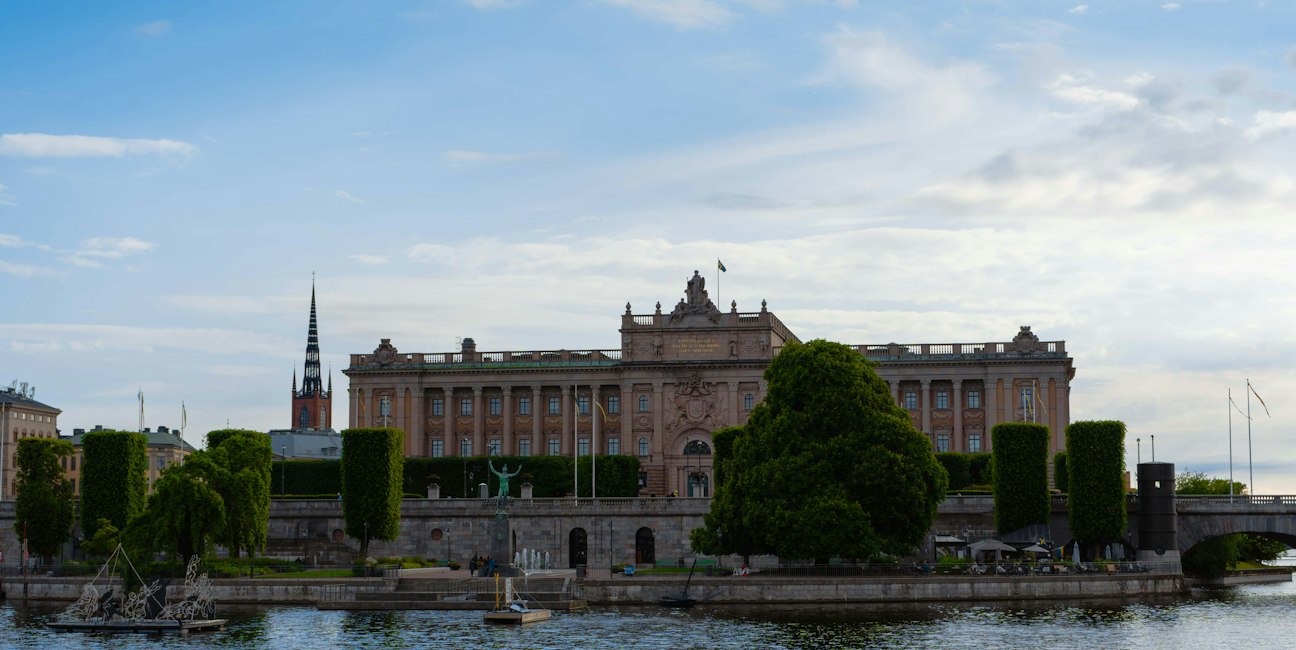
Sweden still has no government. On Thursday, parliament voted 248 to 99 against making Social Democrat leader Magdalena Andersson prime minister at the head of a single-party government.
Swedish rules are unusual. A nominee becomes prime minister unless a majority of the 349 MPs votes against, so 175 no votes are enough to stop one. Andersson faced 248, with two MPs absent. The result was expected: the Centre Party, the Greens and the Left Party had all said in advance that they would not support her.
The split on the centre-left is the story. Centre Party leader Elisabeth Thand Ringqvist called Andersson her party's most likely candidate for prime minister, but said a shared vision on policy is a must. The Left Party was blunter. Its parliamentary group leader, Samuel Gonzalez Westling, said the party has long been a quiet support partner and that those days are over. The Left wants cabinet seats and a say in any government it props up.
Speaker Andreas Norlén will hold another round of talks with party leaders and then give a new mandate to a candidate. Parliament can vote on a nominee up to four times. If all four fail, the constitution requires a snap election.
Andersson's defeat is a procedural step, not yet a crisis, but the clock is running. Each failed vote makes a new election more likely, and few parties want one. The Centre Party and the Left have opposite demands, so a government that both can accept is hard to build. Expect a long round of bargaining over cabinet seats and policy before the next vote.