France is trying to curfew its way out of a crisis that began over school policy and has turned into a test of whether the state can still govern its streets. After looting in Paris and Marseille overnight on Sunday and attacks on private homes, local authorities introduced curfews in parts of the capital and other cities. Prime Minister Sébastien Lecornu said he would not exclude declaring a state of emergency, which would let the government use a 1955 law allowing house arrest, searches without a judge's approval and long-running curfews.
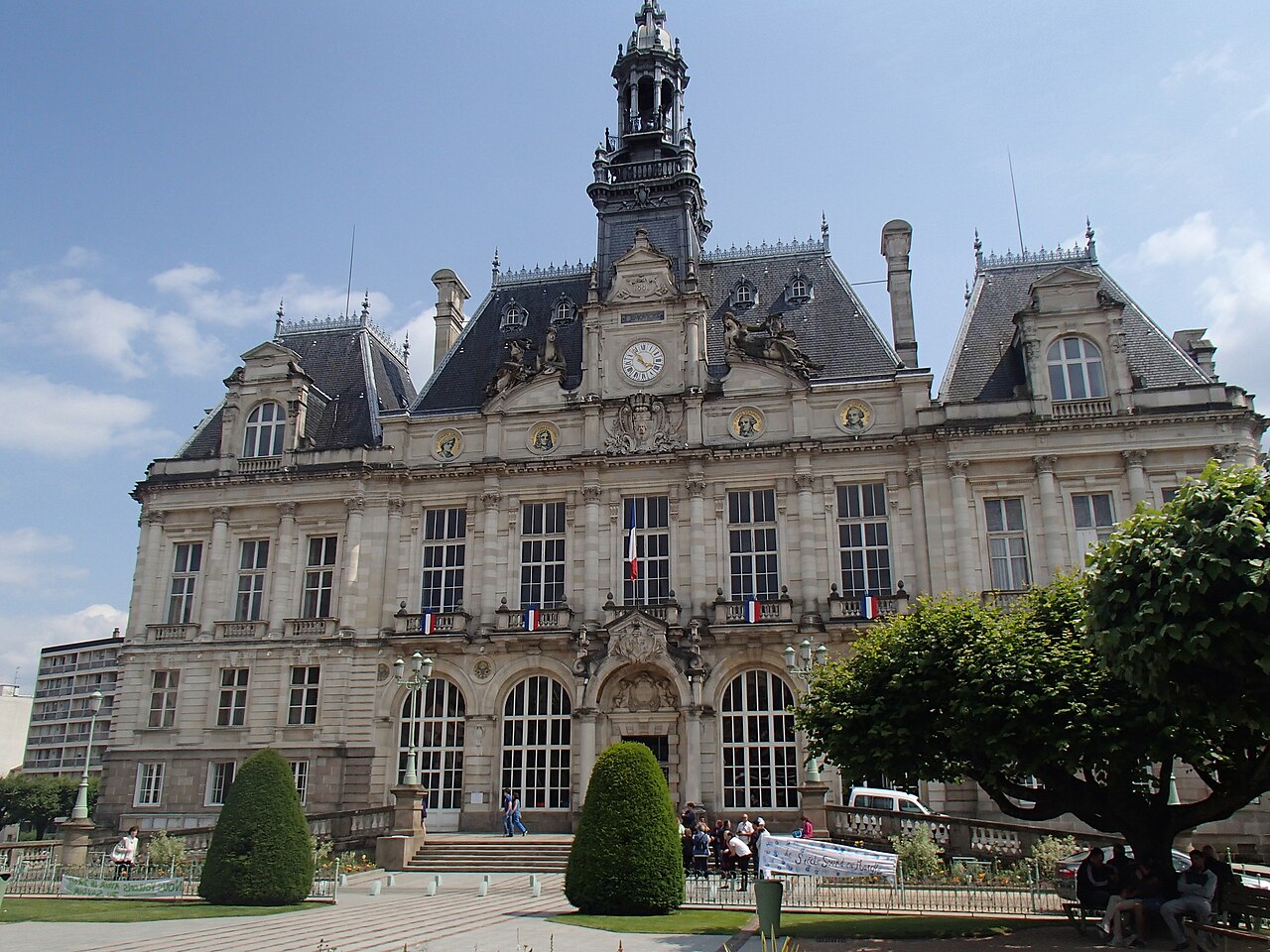
The trigger was a wave of student protests. Over the weekend the movement escalated: more than half a million people took to the streets nationwide, and the town hall in Limoges was set on fire on 17 October. Who started that fire is now a battle of its own online, with some comparisons to the Reichstag fire of 1933. None of it has been established. On Monday students blocked the Louvre, which closed for the day, a year to the day after the jewel heist that shut it the first time. Paris Saint-Germain still plans to host Barcelona in the Champions League tonight.
The government has admitted its own failures. Officials conceded that police oversight of the weekend marches was botched. Bloomberg Opinion's Lionel Laurent argues the authorities never expected such numbers, and that earlier protests by high-school pupils were left to fester because there was no fiscal room to answer them with money. Borrowing costs are rising, so the state could not simply pay the problem away. President Emmanuel Macron's lame-duck status, with the 2027 election looming, left nobody with the authority to settle it. He is on a Gulf tour, in Qatar today.
French government bonds sold off again after the weekend, reigniting a sell-off that had flared before. That is the link between the street and the budget. Bloomberg's John Authers wrote that Marine Le Pen's chances of winning the presidency have reached a high, and warned that the "loss of control of the streets at this juncture increases the chances that markets will bring matters to a head before voters have their say."
The politics are moving fast. Le Pen blamed decades of immigration. Her protégé Jordan Bardella called for police to get more weapons and powers. Across the Rhine, German Interior Minister Alexander Dobrindt blamed left-wing extremists and what he called a migrant milieu, while protest researcher Simon Teune said a spillover into Germany looks unlikely given its different political system and protest culture. Extremism expert Ahmad Mansour warned it could tip quickly. Hungary's prime minister, Péter Magyar, and Poland's Donald Tusk both used images of the fire to promote their own tough border policies. Meanwhile Jean-Luc Mélenchon, whose far-left camp helped organise many of the marches, has kept a low profile since Saturday.
Protesters in Italy have chanted that they will do as the French, and there have been demonstrations in several countries. Writer Dave Keating asks whether this is Europe's 1848, when revolt spread from Paris to Vienna, Berlin and Milan within weeks. The causes, though, are local. Academic Alberto Alemanno notes that the issue is education in France, Belgium, Austria and Italy, housing in Greece and Portugal, military policy in Germany, public spending in Italy, and political accountability in Albania. He called the idea of a coordinated pan-European revolt "tempting, but misleading."
What connects them is mood. A 2026 TUI Foundation youth study across seven European countries found 52% of 16-to-26-year-olds expect to be worse off than their parents, against 25% who expect to do better.
Curfews can end the looting. They cannot supply the thing the protesters say is missing, and France has less room than almost any large euro-area country to try. For Brussels the risk is two-sided: a bond market that reprices France's debt, and a 2027 election in which fear of disorder helps the far right. Watch three things this week: whether Lecornu invokes the 1955 law, whether French borrowing costs keep climbing, and whether the protests in Italy or elsewhere grow beyond a few chants.