

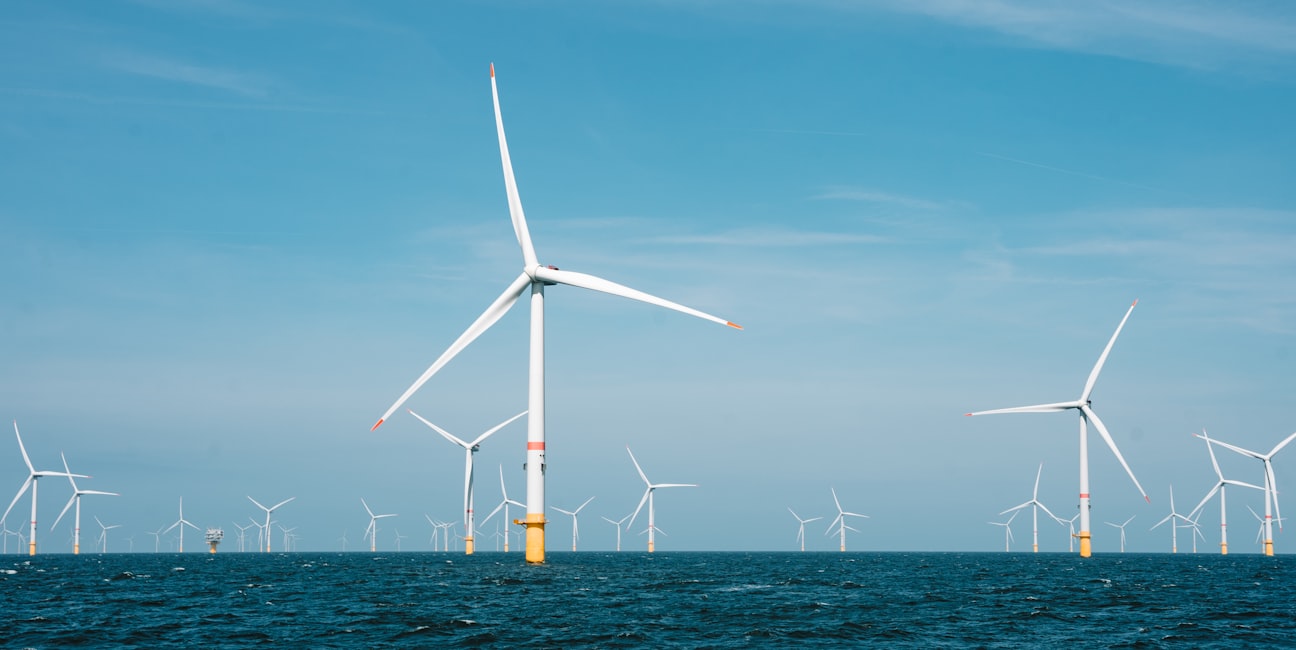
Poland's first offshore wind farm is nearly ready. Baltic Power, a 1.2 gigawatt project sitting in the Baltic Sea off the Polish coast, has all 78 of its monopile foundations installed. The 76 turbines — each rated at 15 megawatts, among the most powerful commercially deployed anywhere — are being installed now. The farm is expected to start producing electricity in the second half of this year.
When it does, it will mark the beginning of what Warsaw hopes will be a structural transformation of the country's energy base.
Baltic Power is a joint venture between ORLEN, Poland's state energy company, and Northland Power of Canada. The project will generate approximately 4 terawatt-hours of electricity per year — around 3% of Poland's current annual consumption, enough to power roughly 1.5 million households.
For a country that still generates the majority of its electricity from coal, these numbers represent the beginning of a shift, not the completion of one. But beginnings matter. The infrastructure — foundations, cables, grid connections, a 30-year operational base at the port of Łeba — is built. The installation campaign mobilised approximately 80 vessels and 4,500 crew and contractors since early 2025. The next step is turning the turbines.
The Baltic Business Forum in Świnoujście this week put the long-term ambitions in context. Jerzy Buzek, former European Parliament President, was direct: "Offshore is the best source of renewable energy in the Baltic." Poland is targeting 18 to 20 gigawatts of offshore wind capacity by 2040 — a number that would require dozens more projects at Baltic Power's scale.
The sequel is already underway. Bałtyk 2 and Bałtyk 3 began construction in February 2026. West Pomerania, the coastal region that hosts much of this infrastructure, already generates 120% of its own electricity needs from renewables — an energy surplus that Poland plans to leverage as a regional hub, including as a source of green power and technology for Ukraine's reconstruction.
Poland has talked about energy transformation for years. Baltic Power is the first proof of delivery at scale. It matters not just for the megawatts, but for the template: a public-private structure, a Canadian capital partner, EU financing, and a Polish state company as anchor. If the project comes online on schedule, it will be the most significant renewable energy milestone in Polish history and a model for the next twenty gigawatts. The hard question is not whether Poland can build the first one — it's whether the regulatory framework, the grid capacity, and the political will can keep pace with the ambition. The Baltic Sea has the wind. Whether Warsaw has the infrastructure to match it is the test the next decade will answer.


