The fight over who should run European foreign policy has a new player. Italy has put a paper in front of EU capitals arguing that the High Representative should become the Commission's "clear second-in-command for external affairs", while remaining answerable to national governments.
The document, a non-paper, which is the diplomatic way of floating ideas without owning them, would give the foreign policy chief the job of coordinating all commissioners and policies with an international dimension. In the same breath it says the High Representative must continue to act "as mandated by the Council". Rome wants the power and the leash, both at once.
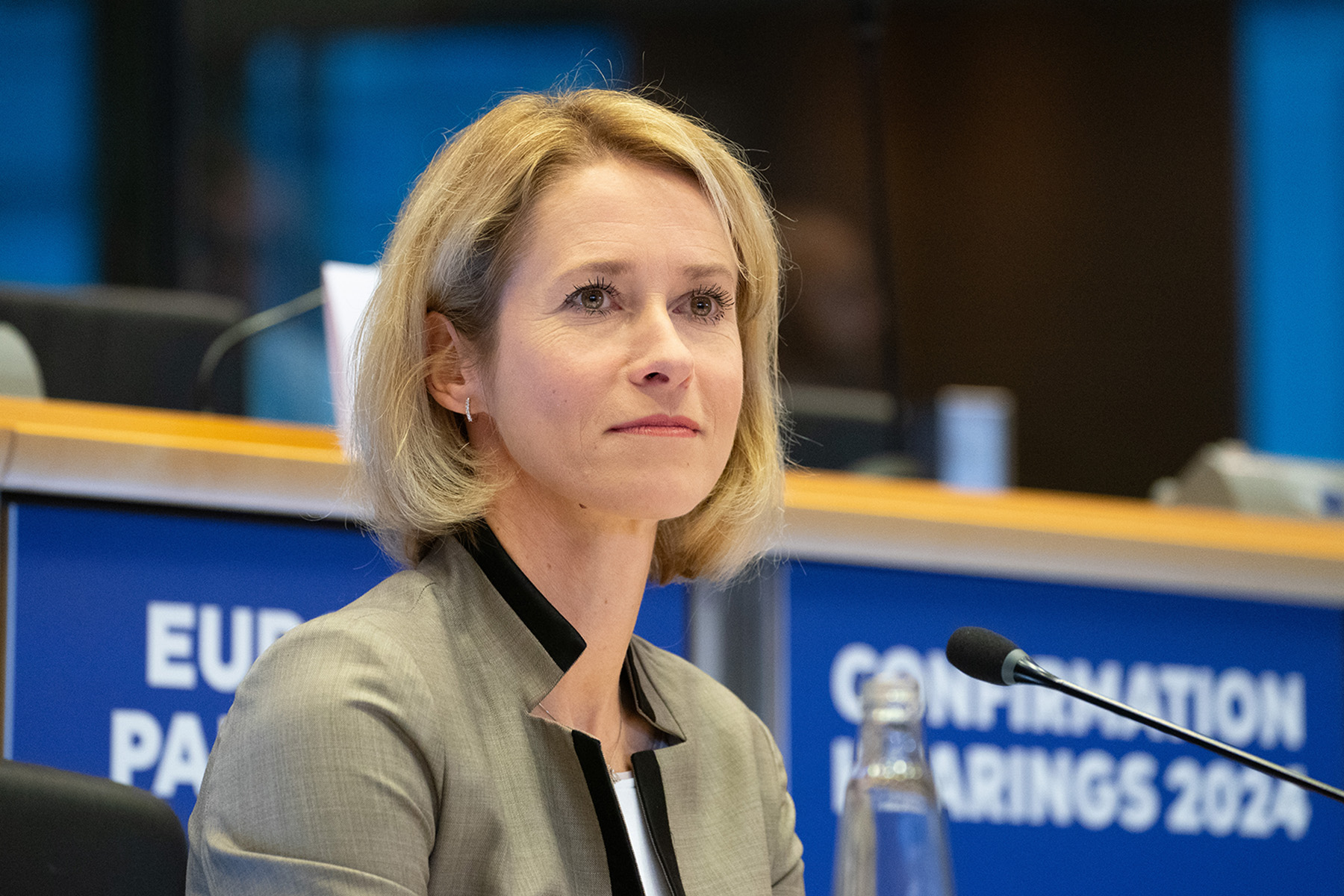
The High Representative today wears two hats. Kaja Kallas is a vice-president of the Commission and chairs EU foreign ministers. She also leads the European External Action Service, the EU's diplomatic corps, which answers to both the Commission and the member states. The arrangement has existed since the Lisbon Treaty and has been blamed for slow and muddled decisions for most of that time.
The pressure to change it is real, and it is coming from several directions. At the end of August, a Franco-German plan reported by Euronews proposed that Kallas take a more hands-on role inside the Commission, coordinating the units that run development aid, humanitarian relief, the defence industry and relations with the neighbourhood. The EEAS itself would be weakened, and a new foreign policy department created. Von der Leyen would keep the final say. That plan would need unanimous agreement to amend the 2010 decision that set up the service.
Italy's paper accepts the first half of that logic and rejects the second. A stronger coordinating role for the High Representative inside the Commission, yes. A diplomatic service that is hollowed out or taken over by the Commission president, no. Rome's emphasis on the Council's mandate is a way of saying that foreign policy belongs to the governments, and that Kallas's authority comes from them.
Kallas has watched an earlier version of this fight from the inside. A French paper in June laid out three options: expand her powers, move them to the Commission, or move them to member states. Her allies argued that the last two would effectively hollow out the job. Some officials have described the whole effort as an attempt to curb a particular High Representative, not to fix a structure. Von der Leyen has already moved much of the EU's Middle East policy into a dedicated Commission department, a precedent critics cite.
There is a practical worry too. Reformers talk about coherence. Sceptics fear a bigger Commission role would duplicate work NATO and national ministries already do, and would put foreign policy under the control of one person who is not directly accountable to the capitals.
Italy has just made a deal harder. Paris and Berlin want a stronger Commission grip, Rome wants a stronger Council grip, and the smaller states that signed a separate letter on majority voting want something else again. With proposals due from the Commission by the end of the year, the likeliest outcome is a compromise that gives the High Representative more coordinating power on paper and leaves the real question of who decides, and who can block, for another day. Italy's paper also shows that the member states are not simply being asked for a view. They are bargaining for control of the next version of the job.