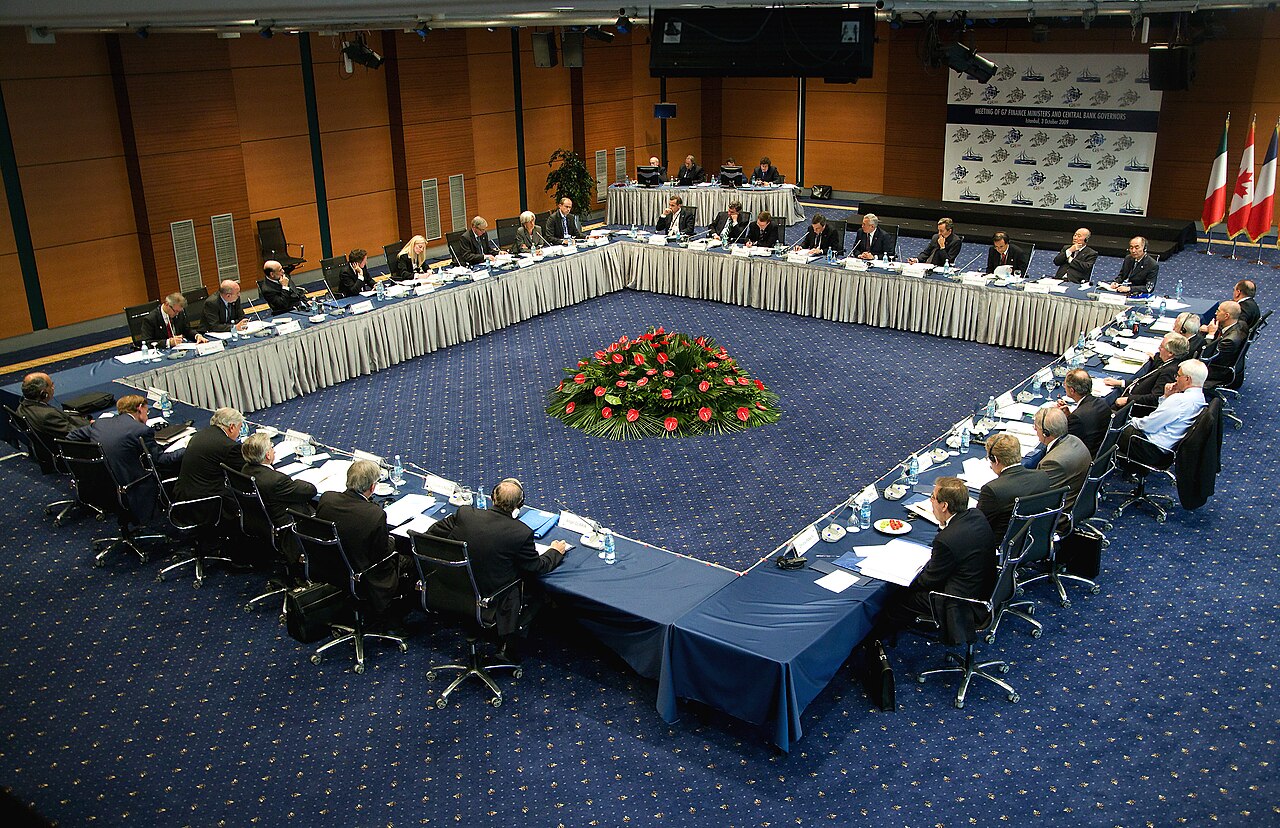
The G7 Finance Ministers meeting in Paris this weekend is not a summit Europe designed. It is a summit Europe must survive.
Bond markets have been flashing warnings for weeks. Rising yields in the US, Japan, and across Europe reflect investor anxiety about a war in the Middle East that has turned the Strait of Hormuz — through which roughly 20% of globally traded oil passes — into a pressure point. Inflation forecasts are being revised upward. Growth forecasts are not.
Into this room walks Kyriakos Pierrakakis, Greece's Finance Minister and President of the Eurogroup, as Europe's representative at the table. His task: make sure Europe's priorities survive the final communiqué.
Pierrakakis has been direct. Opening the Strait of Hormuz is, in his words, "of utmost importance" — a statement that doubles as a warning to Tehran and a plea to Washington not to let the conflict drag on. A prolonged closure would hit European economies harder than American or Gulf state economies, given Europe's energy import dependency.
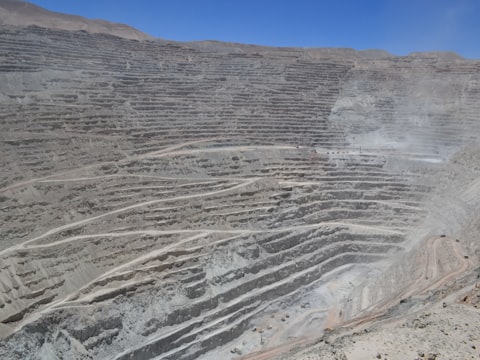
Beyond the immediate crisis, Europe is pushing its longer-term agenda: deepening the EU's capital markets, reducing dependence on the US dollar funding system, and coordinating on critical minerals — a file where both the US and EU feel squeezed by China's dominance of processing capacity.
There is also the question of global imbalances. China systematically under-consumes and over-exports, accumulating surpluses. The US runs persistent deficits. Europe sits awkwardly in between: it over-exports to offset weak domestic demand but under-invests compared to its peers. The G7 has tried to address these imbalances for years. It has not succeeded.
The Iran war has complicated the G7's economic agenda in ways that would have seemed implausible six months ago. Oil prices volatile. Energy costs rising. The kind of inflation that central banks cannot easily address because it comes from supply disruption, not demand overheating.
G7 finance ministers are exploring joint approaches: pooled purchasing for critical commodities, coordinated strategic reserve releases, joint procurement for energy alternatives. The ambition is there. The mechanism is not yet agreed.
The Trump-Xi summit earlier this month reduced some urgency around US-China decoupling — but also reminded European leaders that the world's two largest economies can cut deals without them.
Europe goes to Paris in a structurally weak position. Its capital markets remain fragmented. Its energy dependence has narrowed but not ended. Its voice in the room is real — Pierrakakis is a credible interlocutor — but its leverage is limited. The G7 communiqué will reflect American and Japanese priorities as much as European ones. What Europe can do is ensure the Hormuz language is sharp, the capital markets language is forward-looking, and critical minerals cooperation produces something concrete before the next ministers' meeting. That's a modest agenda for a meeting that will help determine next year's economic weather across the continent.