For three years, the argument in Brussels has been about money. ReArm Europe. The Safe programme. The European Defence Fund. How much to spend and on what. That argument produced results: the EU's defence industry turnover reached €148 billion in 2024, up 60% from 2021. Rheinmetall is building new facilities. National defence budgets are rising across the continent.
But now a different problem is becoming clearer. The money is arriving. The factories aren't keeping up.
European ammunition capacity has risen from around 300,000 artillery rounds per year in 2022 to roughly 2 million by the end of 2025. That is a dramatic improvement. It is also still not enough. Military planners across NATO estimate that the pace of modern high-intensity conflict — demonstrated in Ukraine — requires production far beyond what Europe's industrial base can currently sustain.
The same pattern holds across other platforms. Waiting lists for aircraft, aero-engines, and missile systems are getting longer, not shorter, as production delays become routine. Rheinmetall's planned ramp-up of 155mm rounds to 1.1 million per year by 2027 is one of the more concrete commitments on the table. But it is one company, one product, and one part of a much larger requirement.
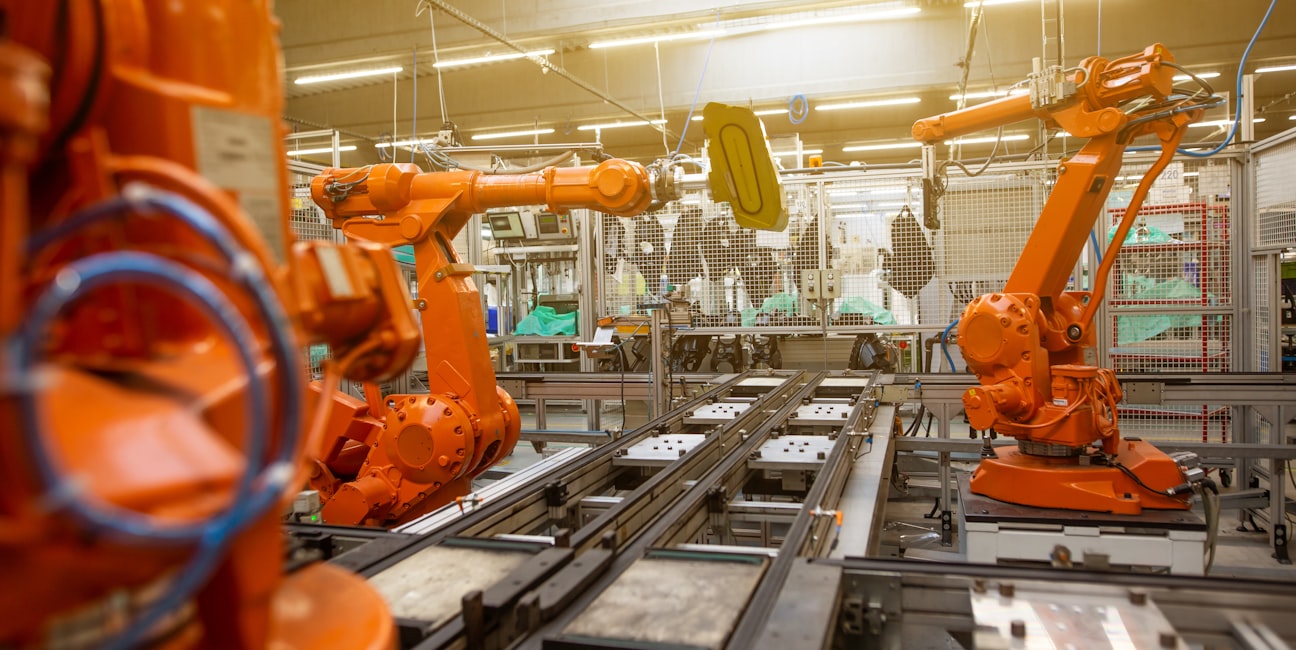
Defence manufacturing is not like consumer goods. Certifying a new production line or qualifying an alternative supplier takes four to five years. That timeline cannot be compressed without cutting corners — which in defence manufacturing often means cutting safety margins. The shortage of specialised workers — CNC machine operators, aerospace engineers, defence-cleared technicians — is now approaching critical levels across Europe's industrial heartlands.
Supply chain dependencies add another layer of fragility. Key inputs for ammunition production — titanium, aluminium alloys, semiconductors — are globally traded and subject to competing demand from commercial industries running their own capacity expansions. Europe's fragmented procurement has long prevented the economies of scale that would make it worth suppliers investing in dedicated European capacity.
A Protiviti analysis published earlier this month put it plainly: NATO and EU readiness depends on manufacturing capacity and execution, not funding. Europe has spent three years solving the political and financial side of the rearmament challenge. The next three years will be spent on something harder — persuading factories to move at a pace that armies actually need. That is not a budget problem. It is an industrial policy problem, and Brussels has far less control over it.