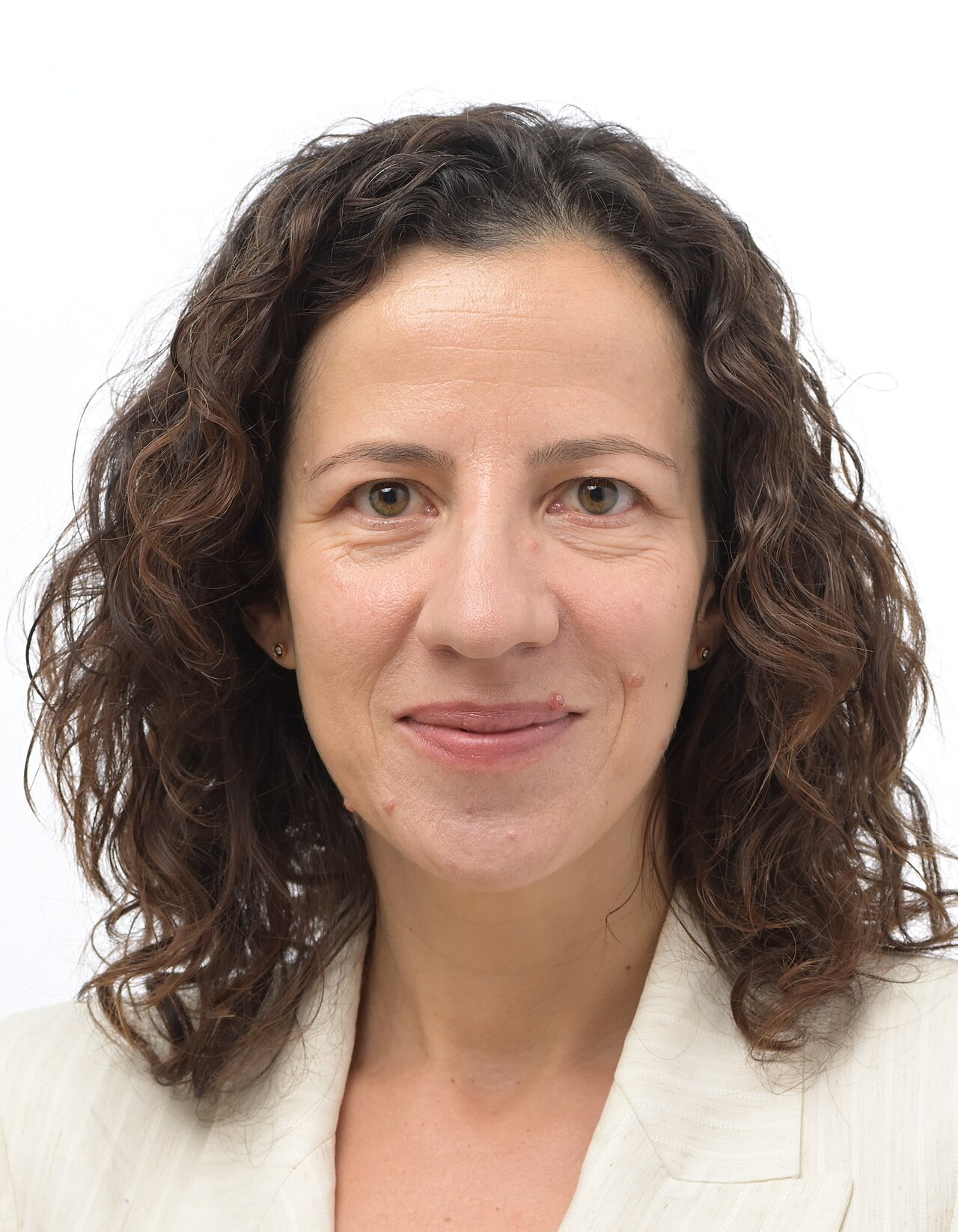
The race to run Europe's central bank is over. At Thursday's summit in Brussels, euro-area leaders lined up behind Pablo Hernández de Cos, a 55-year-old career central banker, to replace Christine Lagarde at the top of the European Central Bank. He would be the first Spaniard to lead the institution.
The decision closes a contest that had threatened to turn into an awkward vote. The Netherlands had insisted that its own candidate, former Dutch central bank governor Klaas Knot, be properly debated alongside de Cos. By Thursday, The Hague had come round and agreed to support the consensus.
De Cos was never going to be decided on his own. Three seats on the ECB's six-member Executive Board fall vacant within months of each other, and capitals treated them as one deal.
Laurence Boone, a former French Europe minister and OECD chief economist, was backed for the board and is expected to take over market operations from Isabel Schnabel, who leaves on 3 January 2027 to join the International Monetary Fund. Markus Brunnermeier, the German Princeton economist, is in line to replace chief economist Philip Lane, whose term ends on 31 May 2027. Lagarde welcomed both nominations on X, saying their experience would make "a valuable contribution to the Board."
The shape of the deal matters as much as the names. France keeps a heavyweight seat, Germany gets the chief economist's chair, and Spain takes the presidency. The Netherlands, which fielded the most hawkish candidate, walks away with nothing visible, and capitals had been looking for a consolation prize to avoid exactly that outcome. None has been announced.
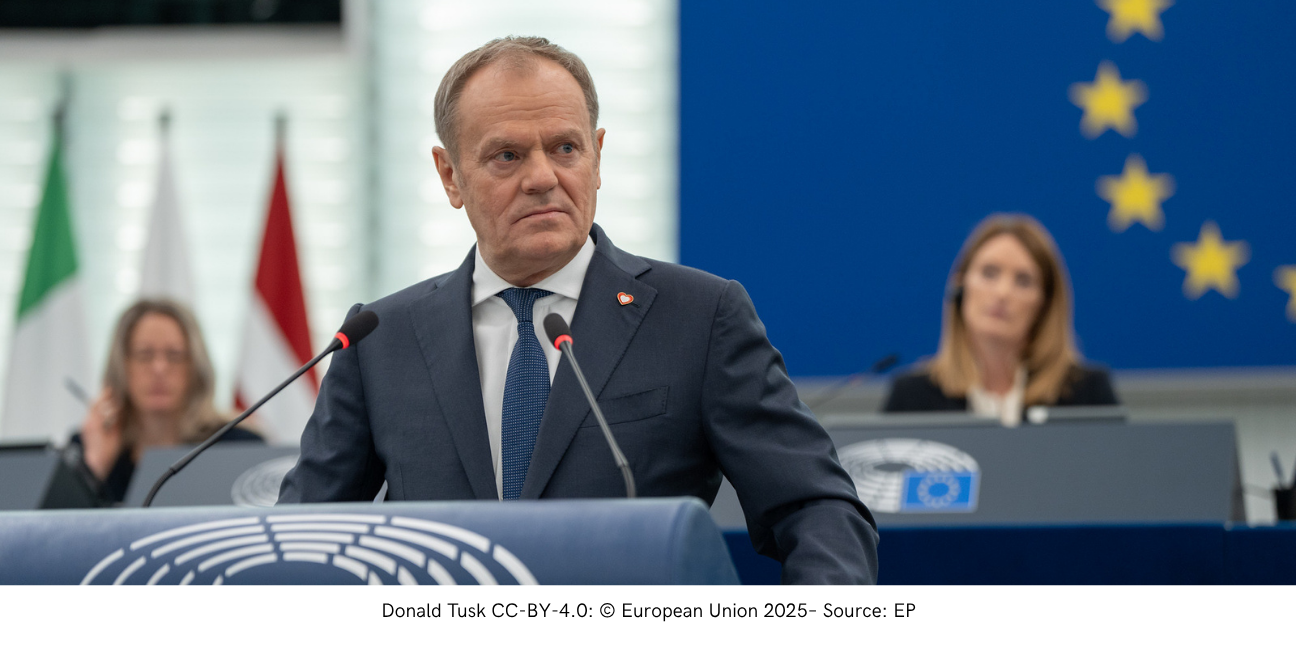
EU ambassadors agreed the text of the recommendations on Thursday, and euro-area governments were due to adopt them in writing. The European Council will then make the formal appointments in December, after consulting the European Parliament and the ECB's Governing Council. Neither body can block the choice, but a rough hearing in Parliament would be an early test of de Cos's political touch.
The ECB president serves a single eight-year term. Lagarde announced on 29 October that she would step down on 7 February 2027, well before her term was due to end, saying she wanted more freedom to speak on issues beyond monetary policy.
De Cos led the Banco de España from 2018 to 2024 and chaired the Basel Committee on Banking Supervision, the body that writes global bank capital rules, before moving to the Bank for International Settlements in Basel. He has the rare advantage of support across Spain's political divide: both Prime Minister Pedro Sánchez and opposition leader Alberto Núñez Feijóo backed his candidacy, which matters with Spaniards voting in a general election on Sunday.
Markets read him as slightly more dovish than Knot, and as a pragmatic centrist likely to keep Lagarde's broad approach. Spain's economy minister Carlos Cuerpo pitched him to fellow leaders as "a steady hand" and someone "able to gather consensus."
He will not get a quiet start. Euro-area inflation reached 4% in October, twice the ECB's 2% target, and the bank has already raised rates twice this year. Some economists expect another quarter-point rise in March 2027, which would be his first meeting in the chair.
That puts a dovish reputation to an immediate test. A new president who hesitates while prices run at double the target would hand ammunition to the northern capitals that preferred Knot. One who moves too hard risks squeezing southern economies, including Spain's, just as Europe's growth outlook darkens under new US tariff threats.
Europe has avoided a public fight over its most important economic job, and that is worth something at a summit where almost nothing else was agreed. But the package was assembled by trading seats among the big capitals, and it leaves the Netherlands, and the hawkish camp it speaks for, without a prize. De Cos will need to win their trust on the first rate decision he takes. The bigger test is political: an ECB president who starts in February 2027 will face a French presidential election and an unresolved fight over the EU budget within his first months. His reputation as a consensus-builder is about to be put to work.