

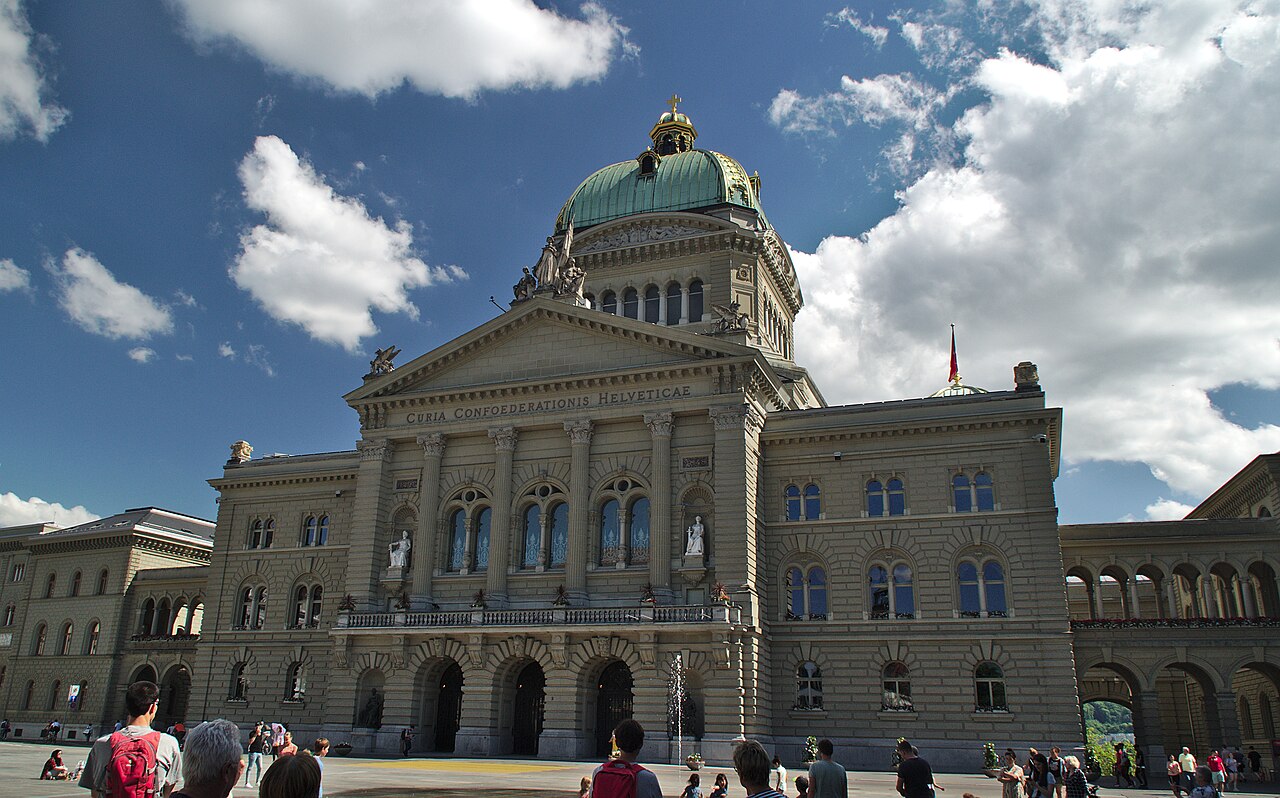
Switzerland has voted to keep its neutrality flexible. On Sunday, a large majority rejected the “Safeguarding Swiss neutrality” initiative, which would have enshrined a stricter version of the doctrine in the constitution. Support came in just under 30%. More than 70% voted no.
That is a wider defeat than the final polls had pointed to. They expected the initiative to fail, not to be swept aside.
The practical stakes were Russia. A tighter constitutional definition of neutrality would have hemmed in a government that has kept sanctions on Moscow in place. Voters left that room intact. Bern keeps its freedom to interpret neutrality flexibly and to maintain its sanctions against Russia.
For Brussels, that removes a source of doubt. Switzerland is not an EU member, but it sits in the middle of the continent and its banks, traders and companies matter to how far sanctions bite. A Swiss vote to tie its own hands would have complicated that picture.
The same ballot carried a second proposal, a food-security initiative. It also lost by a margin of more than 70%. Swiss voters had a clear day: they preferred the status quo on both.
Thomas Greminger, writing in The Parliament Magazine, argues that the result “does not mean the end of the country’s neutrality.” Hardly anyone in Switzerland questions the core rules. Warring parties may not use Swiss territory, the country gives no military support to one side, and it joins no military alliance.
What voters rejected, Greminger says, was a “dogmatic, backward-looking interpretation” that would have stopped Bern from adapting its foreign and security policy to a changing world.
The vote settles a domestic argument, not a strategic one. EU capitals can keep counting on Swiss alignment with sanctions on Russia for now. But an initiative to tighten neutrality reached the ballot in the middle of the war in Ukraine, and about three in ten voters backed it. The debate will return the next time Brussels adopts new sanctions and Bern has to decide whether to follow.


.jpeg)

.png)


