Europe's newest security scare is in orbit. Russia is preparing to put a nuclear weapon into space, according to intelligence shared among several NATO states earlier this month and first reported on Monday by German broadcasters WDR and NDR and the Süddeutsche Zeitung. The system, called "Sputnik-S", is said to be finished and to have been stored near Moscow for several years. Western services, the BND among them, believe it could be launched within the next 60 days.
Friedrich Merz did not play it down. Speaking in Berlin alongside NATO Secretary General Mark Rutte, the chancellor said reports of Russia planning to arm space with nuclear weapons were not new, "but they are no less shocking for that". In his words, they show "what escalation Russia is evidently ready for".
The government's line is careful. Spokesman Stefan Kornelius said Berlin takes the reports "very seriously" but sees no immediate threat, and he warned against excessive nervousness over hypothetical scenarios. He confirmed that Germany's National Security Council discussed a "changed security situation in space" on 3 November, and said the details are classified. The defence ministry declined to comment on the intelligence picture. A Bundeswehr spokesperson would only say that Russia has the capability, and that a nuclear blast in orbit would in practice mean going "back to the Stone Age".
The Foreign Office was blunter about the law. Stationing a nuclear weapon in space, it said, would be a flagrant breach of the 1967 Outer Space Treaty, which Russia has signed. The Kremlin dismissed the reports as coming from an unknown source and hardly worth taking seriously. Russia's embassy in Berlin rejected what it called unfounded allegations and part of a propaganda campaign. Vladimir Putin said in February 2024 that Moscow was categorically against nuclear weapons in space.
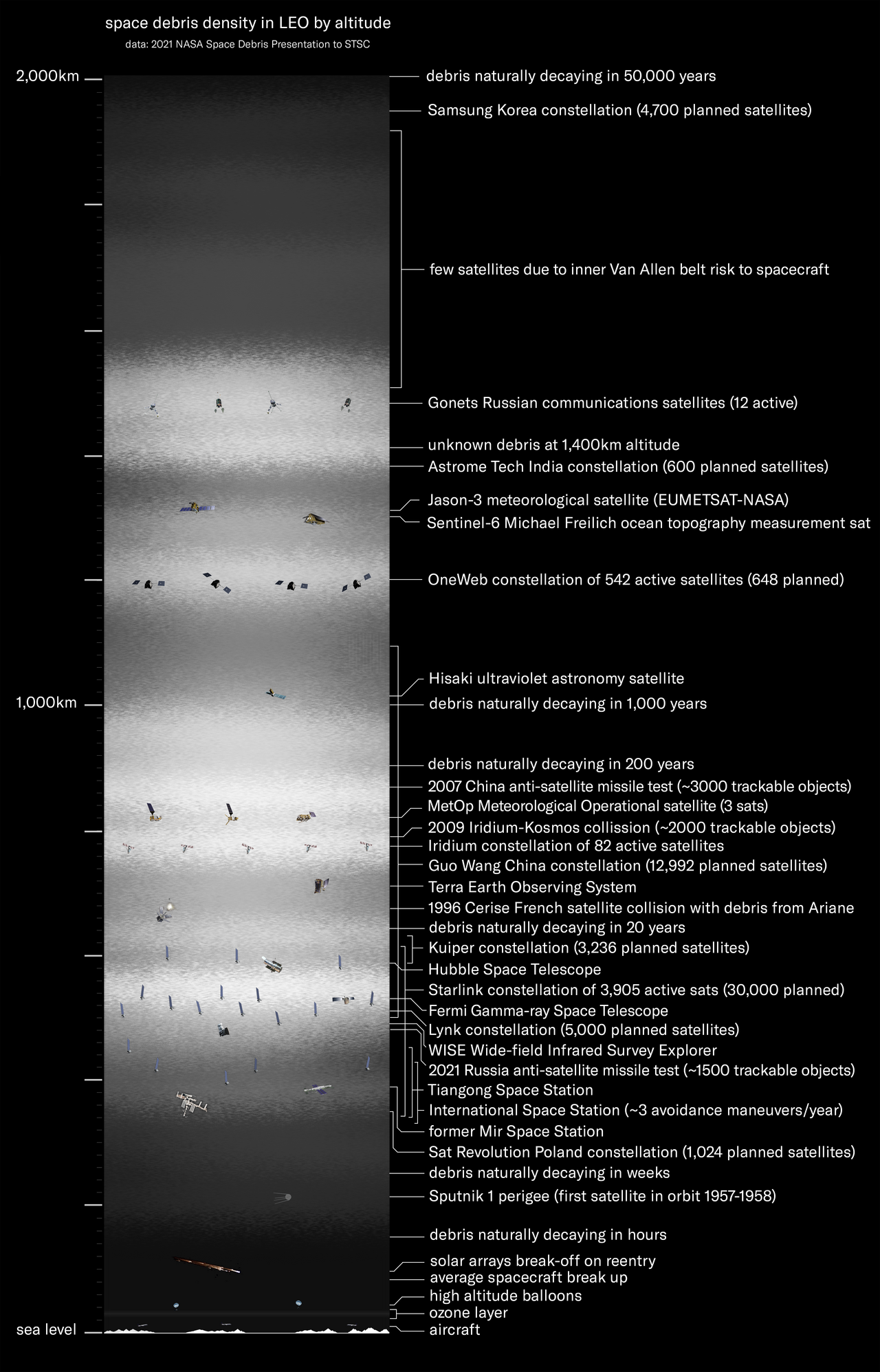
A nuclear detonation in orbit would not target cities. It would target the satellites modern life runs on. US Space Command chief Stephen Whiting has estimated that such a blast could knock out around a third of satellites in low Earth orbit in the first days, with more failing later as radiation lingers. Navigation, communications, banking timestamps, weather forecasting and military command links all depend on that layer. ESA Director General Josef Aschbacher has called it "the ultimate horror scenario".
The weapon would hurt Russia too, since it relies on the same orbits. That is why some German commentators argue its real value to Moscow is coercive: a threat held over Europe rather than a weapon meant to be used. It fits a widening pattern. In recent weeks, Polish authorities said three Russian cruise missiles were deliberately steered into Poland, and Ukrainian or suspected Ukrainian drones have struck Russian vessels from Libya to the Baltic.
The warning puts a spotlight on how dependent Europe still is in orbit. The Bundeswehr is close to signing a contract with a consortium of Rheinmetall, OHB and Airbus for its own constellation of about 600 satellites, linking soldiers, drones and aircraft in real time much as Starlink does for Ukraine. Insiders put the cost at around €15bn, including ten years of operation. The first satellites will not launch before 2030, and until then Canadian operator Telesat is meant to fill the gap. Berlin is also pushing for national space missions in its 2027 budget ahead of the European Space Agency's ministerial meeting in Rome in mid-December.
Whether or not Sputnik-S launches in December, the reports change the conversation in Europe's capitals. Space has stopped being a niche procurement file. It is now a front-line security issue, and Europe is starting from behind: its sovereign military constellations are years away, and its civilian economy sits on satellites it cannot easily protect. Expect the issue to come up at NATO and at ESA's Rome meeting, and to sharpen the case for joint EU spending on space resilience in the next budget. The uncomfortable lesson is the same one Ukraine taught on land: deterrence only works if Europe can keep running when the systems it relies on are switched off.