The Vatican does not often rewrite the terms of a technology debate. On 25 May, it did.
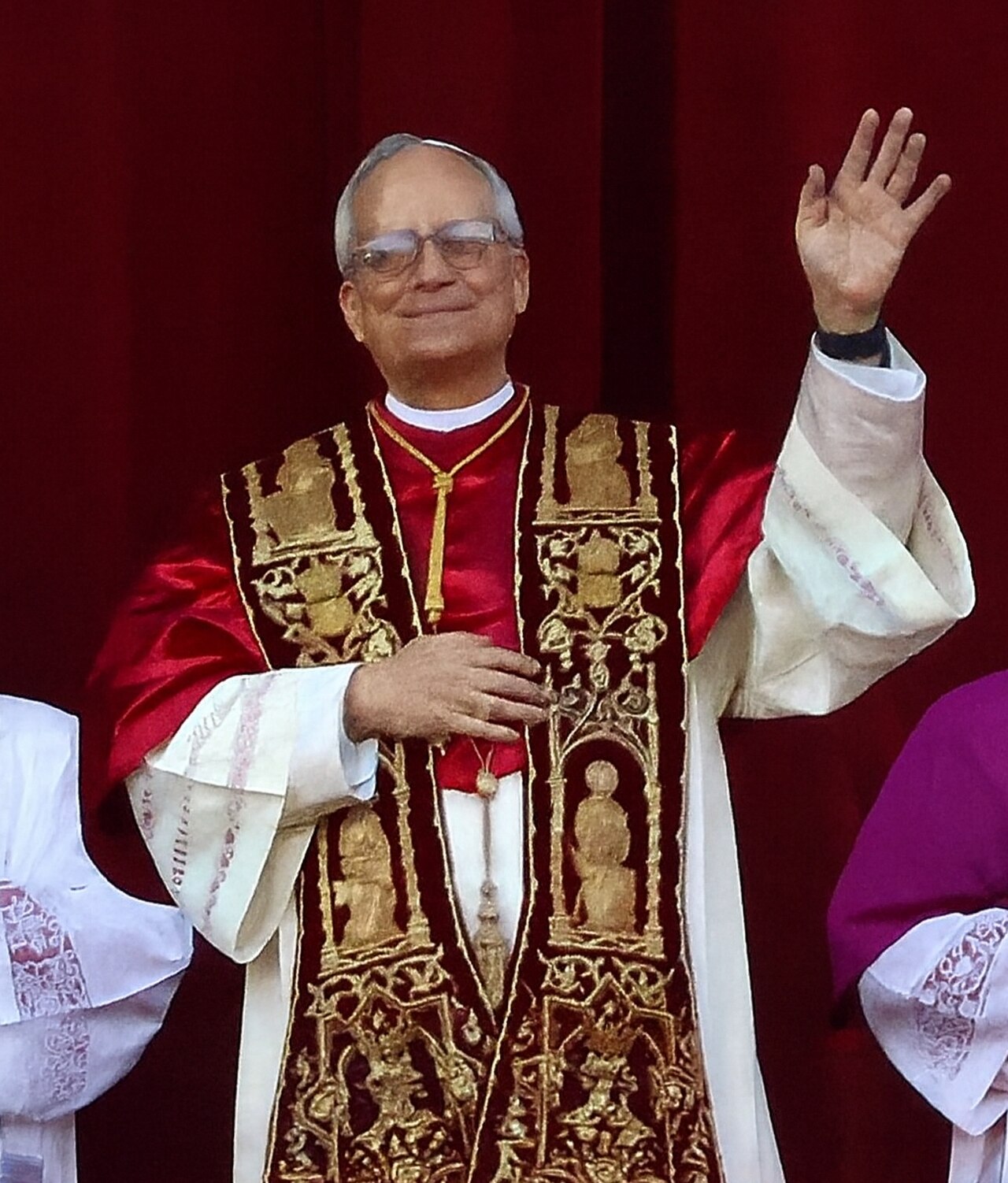
Pope Leo XIV published "Magnifica Humanitas" (Magnificent Humanity), his first encyclical and the most substantive papal statement on artificial intelligence to date. Signed on 15 May — the 135th anniversary of Pope Leo XIII's Rerum Novarum, the foundational document of Catholic social teaching — the text frames AI not as a curiosity or a threat to be managed, but as a civilisational inflection point that demands a moral response.
The analogy to Leo XIII is deliberate. Rerum Novarum spoke to the upheaval wrought by the Industrial Revolution — the concentration of capital, the exploitation of labour, the disintegration of older social bonds. Leo XIV sees the same dynamics repeating. "Technology is never neutral," the encyclical states, "because it takes on the characteristics of those who devise, finance, regulate, and use it."
The core of the document is a call to "disarm" AI — not to reject it, but to remove it from the grip of those who would use it as an instrument of power. That means, in practical terms, stricter state and international regulation of AI companies, barriers to the concentration of AI capabilities in the hands of a few corporations or governments, and broad democratic participation in decisions about how AI develops.
Divided into five chapters, "Magnifica Humanitas" addresses the common good, the universal destination of goods, subsidiarity, solidarity and social justice — the traditional pillars of Catholic social thought, now applied to algorithmic systems. The encyclical is careful not to frame technology as inherently evil: "Technology is not a force antagonistic to humanity." But it insists that good intentions are not enough. The concentration of AI power in a small number of companies — capable of shaping political discourse, economic opportunity and even military conflict — constitutes, in Leo XIV's framing, a structural injustice.
The document also addresses the dignity of work, warning that the displacement of labour by automation requires active policy responses rather than passive adjustment. It calls on governments to extend social protections and to ensure that the gains from AI are distributed broadly rather than captured by shareholders and developers.
The reaction from the technology industry was notably restrained. Sam Altman, Elon Musk and Mark Zuckerberg did not publicly comment on the encyclical in the days following its release. Jack Dorsey, the Twitter co-founder and frequent critic of Big Tech concentration, responded to a quoted passage with a single word: "yes."
Critics from within the industry were less impressed. Eddy Lazzarin, a general partner at Andreessen Horowitz, called the document "light on the theology of artificial intelligence, and thick in reiterating Catholic social doctrine," adding that "the encyclical feels defensive." The critique is telling: Silicon Valley's venture capital community has little appetite for the kind of structural constraints the document envisages.
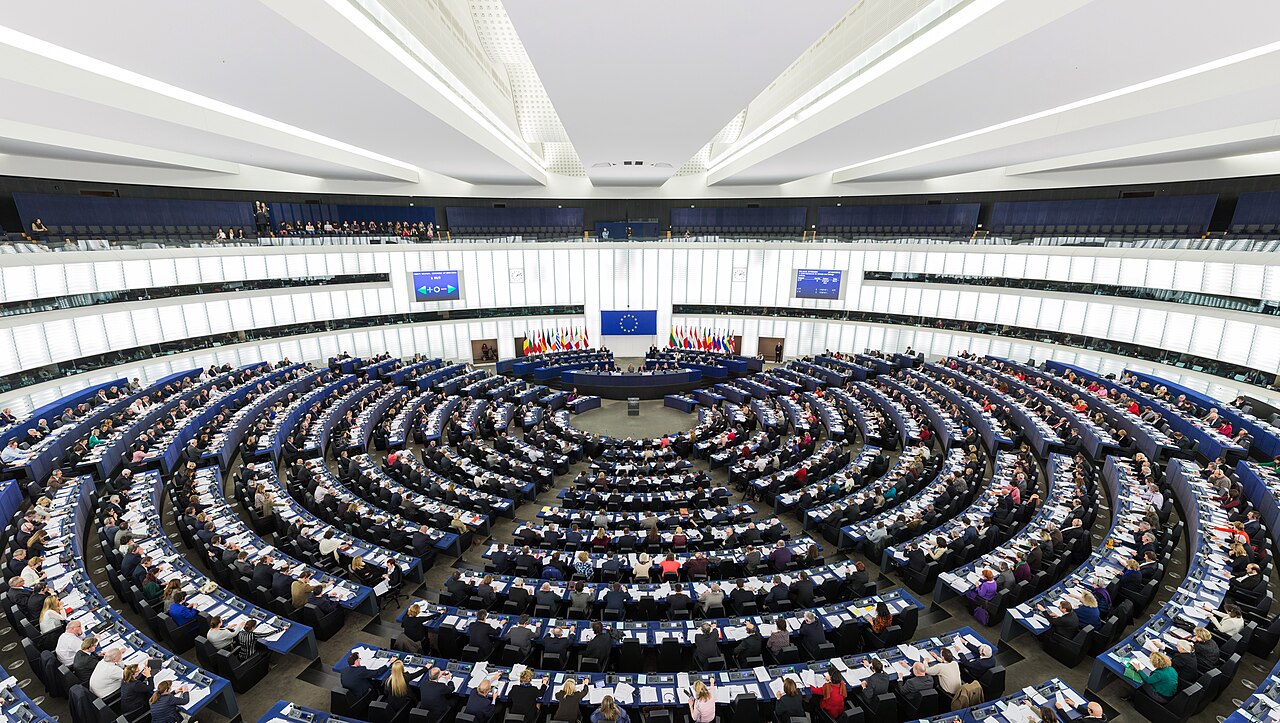
For Brussels, the timing is useful. The EU AI Act — the world's first comprehensive AI regulation — came into force in 2024 and is now being phased in. The Commission has spent months defending that framework against industry pressure to soften or delay implementation. Leo XIV's encyclical provides moral backing from an institution that speaks to 1.4 billion people worldwide: that the rights-based, precautionary approach to AI governance is not regulatory overreach but a legitimate ethical position. The Vatican and Brussels are unlikely allies. On this question, they are reading from the same text.