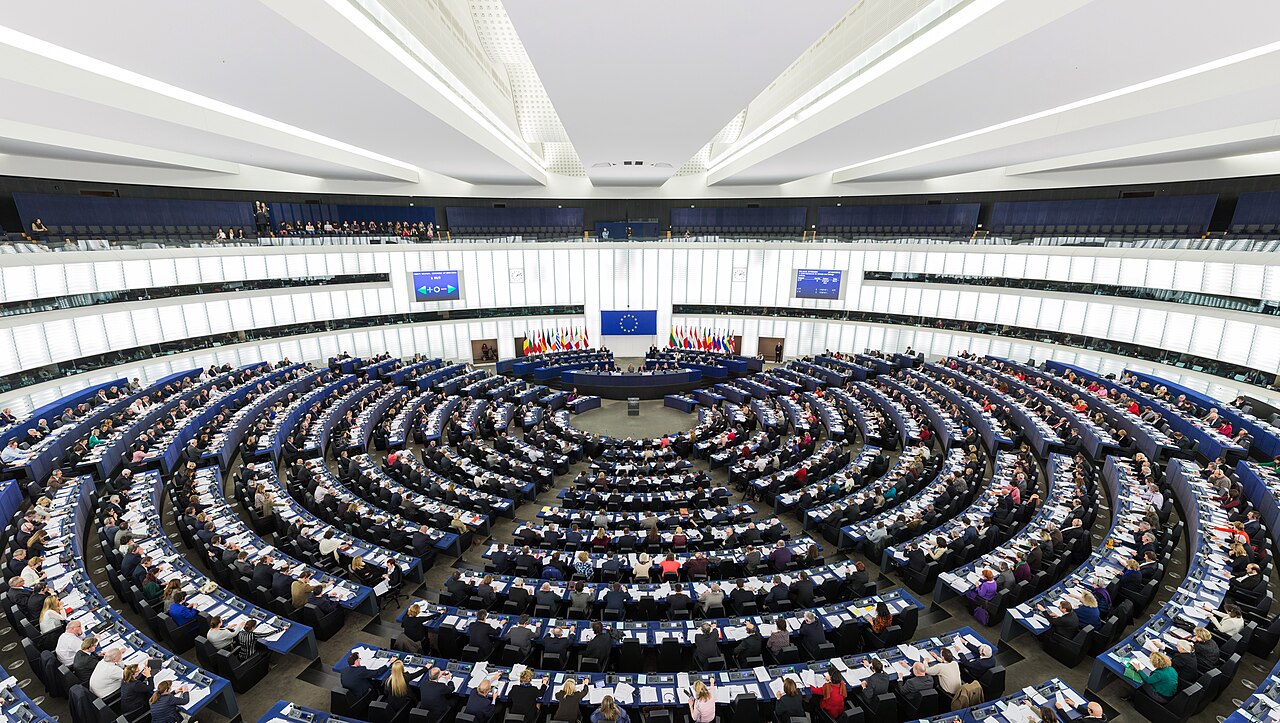
Latvia's voters have given Andris Kulbergs a clear mandate. His United List took 42 of the 100 seats in the Saeima, with about 35% of the vote, according to results with 99.9% of votes counted.
The United List is nine seats short of a majority on its own. Latvia First came second with 17 seats, followed by Sovereign Power with 15, the National Alliance with 10, the Progressives with 9 and New Unity with 7. All six cleared the 5% threshold, so no votes were wasted on parties that fell short.
Kulbergs, who has led the government for five months, is set to be nominated to form the next one. The most likely coalition is the United List with the National Alliance and New Unity, which would hold 59 seats, a solid working majority. Before the vote he had ruled out working with Sovereign Power.
Turnout was described as a new low in Latvian parliamentary history. A landslide on a thin turnout gives Kulbergs a strong hand in the parliament, but less proof of broad public enthusiasm.
For Brussels and for Latvia's neighbours, the result points to continuity. A government led by Kulbergs with centre-right partners is unlikely to change Riga's strong support for Ukraine or its hard line on Russia. A quick coalition deal would also give the Baltic state a stable government through the next four years, rare in Latvian politics.
What to watch: whether talks with the National Alliance and New Unity finish quickly, and how Sovereign Power, with 15 seats, uses its position as a large opposition party.