

Google has run out of road. On 2 July the Court of Justice of the European Union, the bloc's highest court, dismissed the company's final appeal and upheld a €4.1 billion fine for abusing the dominance of its Android operating system. The judgment is legally binding, and there is nowhere left to appeal.
It is the largest antitrust penalty the European Union has ever made stick, and it closes an eight-year fight that began when the European Commission first punished Google in 2018.
The Commission's 2018 decision found that Google used Android's grip on the smartphone market to shut out rivals in search. The court backed its reasoning on three practices in particular.
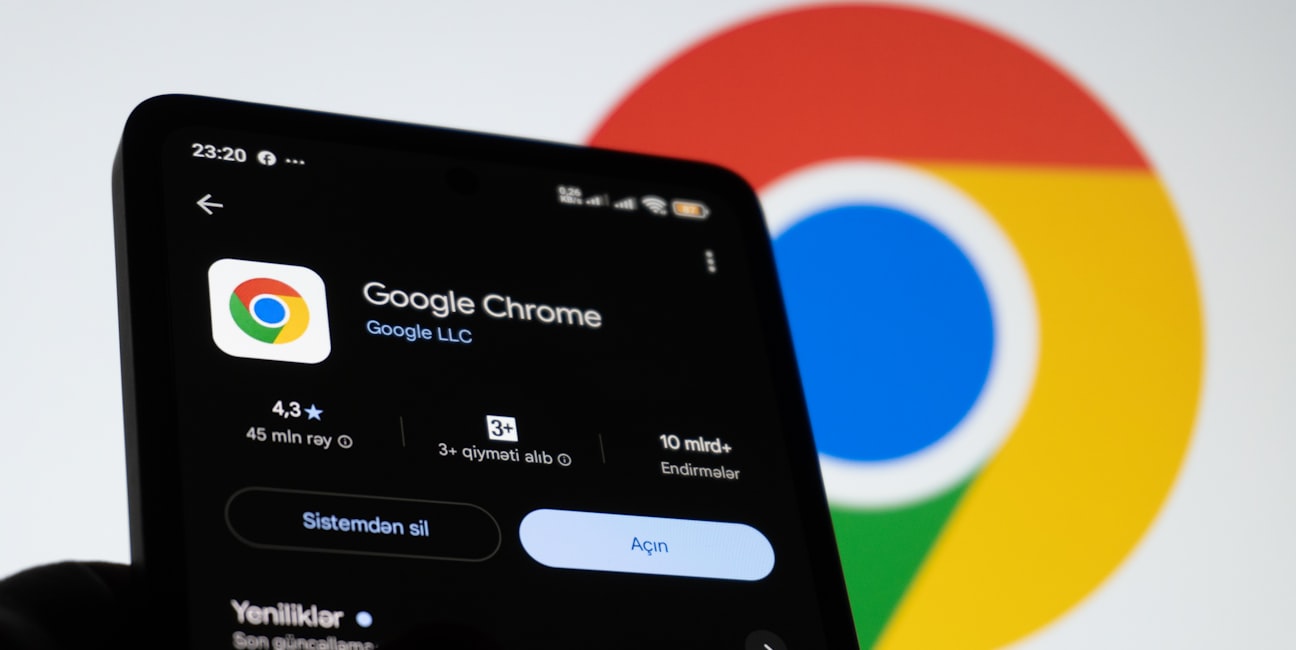
First, Google made phone makers pre-install Google Search and its Chrome browser as a condition of licensing the Play Store, the app shop most Android phones cannot do without. Second, so-called anti-fragmentation agreements barred those manufacturers from selling any device running a version of Android that Google had not approved, choking off alternative versions of the system. Third, Google paid manufacturers and mobile networks a share of its advertising revenue on the condition that they pre-installed no competing search engine.
The Court of Justice ruled that the lower General Court had been right to confirm the Commission's assessment. The practices, it found, were capable of restricting competition and raising the barriers for anyone trying to break in.
The headline figure has moved over the years. The Commission's original 2018 fine was €4.34 billion. In 2022 the General Court trimmed it to €4.1 billion while upholding the substance of the case. This week's ruling settles that figure for good.
Google was unrepentant. "Android provides more choice for everyone and supports thousands of businesses," a spokesperson said. "This judgment fails to recognise our significant investment to ensure Android remains open, interoperable and free."
For the Commission, the win is about more than the money, which is small change for a company Alphabet's size. It confirms that Europe's regulators can pursue a US tech giant through every layer of the court system and come out on top. The competition brief has since passed from Margrethe Vestager, who launched the case, to Spain's Teresa Ribera, who took over in 2024.
The fine is also a relic of an older enforcement era. Brussels now has a faster tool: the Digital Markets Act, which sets rules for dominant "gatekeeper" platforms up front rather than punishing abuses years after the fact. Google is already in the Commission's sights under that law, accused of favouring its own services in search results and of stopping app developers from pointing users to cheaper deals outside the Play Store.
The Android ruling draws a line under one long battle just as a bigger one gets going. The message to Silicon Valley is that Europe will see a case through to the end, however many years and appeals it takes. But the real test of EU tech power now lies with the Digital Markets Act, where the penalties can climb to a tenth of global revenue and the fights are only beginning. This week Google paid for the last decade's conduct. The next reckoning, over how it runs search and its app store today, is already on the docket, and it will land far faster than eight years.


.png)


