Europe has an answer to the question it has dodged for two years. It is a committee.
António Costa, the European Council president, announced at the end of Friday's informal summit in Dublin that Europe will send a team, not a single envoy, to the next round of US-brokered talks on ending the war in Ukraine. The five big military powers of the "coalition of the willing", Britain, France, Germany, Italy and Poland, will take part alongside the European Commission and the European Council. EU officials expect the national seats to go to national security advisers. NATO is also expected to be represented.
"Europe must speak with one clear voice and united voice in all discussion," Costa said, calling the arrangement "ultimately a team effort". Asked why the EU had not picked one person, he pointed across the table. "If you look for the special envoy from President Trump, there is not one. They are two," he said, referring to Steve Witkoff and Jared Kushner. Ukraine's own delegation has three or four.
The format is a win for Paris and Berlin. Emmanuel Macron and Friedrich Merz had both resisted a single EU negotiator, arguing that the existing E3 channel with the UK worked and that substance should come before format. The new arrangement keeps their seats and adds Italy and Poland, which had complained about being left out. Including Britain was only possible because the team sits outside the EU's formal structures.
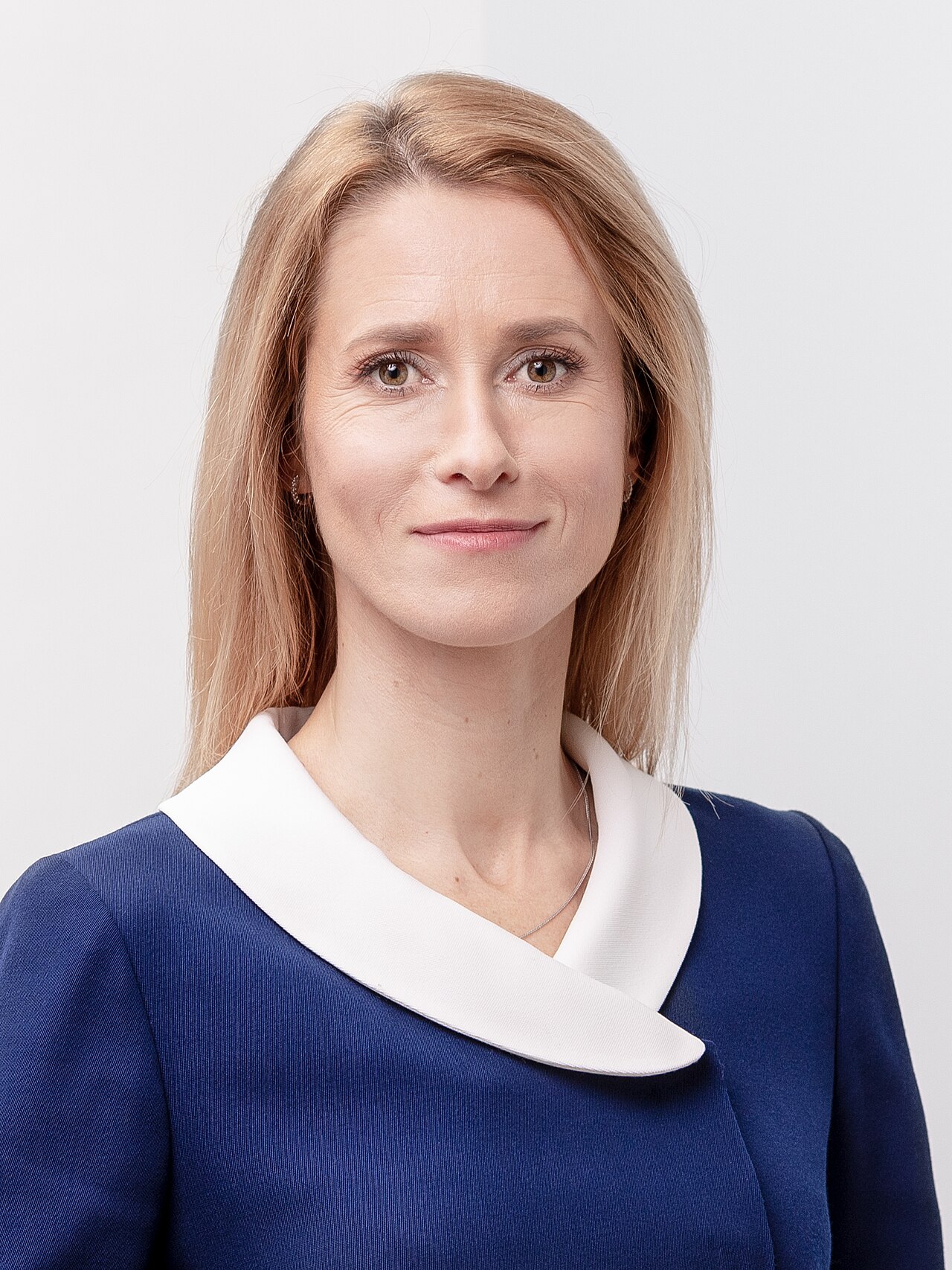
It is less of a win for Giorgia Meloni, whose letter to Costa forced the debate onto the Dublin agenda. She had pushed for one envoy, complaining that "there are too many different groupings discussing the issue". And it leaves the EU's own foreign policy chief in an awkward spot. Kaja Kallas insisted on Friday that "I'm the one who is representing Europe in the foreign and security policy." She added, pointedly: "I know that the Russians don't want me, but, you know, do we have a say, who is representing Russia?"
Leaders did not settle who will sit in the institutional chairs. Since August, Ursula von der Leyen's chief of staff, Björn Seibert, has handled the EU's contacts with Witkoff and Kushner. Writing on his Substack before the summit, Brussels journalist Dave Keating argued that "the national capitals simply don't want to cede authority to the EU confederal level on foreign policy."
The fight over chairs has masked a bigger question: what Europe will be asked to discuss once it is in the room. The Kremlin says it would welcome Europeans who genuinely want to help, while its spokesman Dmitry Peskov mocked them for squabbling "like spiders in a jar". Moscow's actual demand is for a broad agreement on Europe's security order before the specifics of the war are addressed. Before its 2022 invasion, Russia asked NATO to pull back from every country that joined after 1997. NATO refused.
Kushner said in Moscow on Thursday that he had started discussing Europe's security architecture with European partners. Volodymyr Zelenskyy warned leaders in Dublin that when Washington and Moscow talk about security guarantees, the conversation is really about "some kind of new security framework between Europe and Russia". Europe, he said, needed to pay attention.
Leaders split on how to respond. Some senior officials, including von der Leyen, are open to initial discussions, according to people familiar with their thinking, on condition that any real agreement comes only after a Ukraine-Russia peace deal and with NATO and member states holding final sign-off. Others want nothing to do with it. Estonia's prime minister, Kristen Michal, dismissed the push as "mind games". "If Russia is a threat to Europe, then the last thing you do is discuss how to arrange your security architecture with the one who's threatening you," he said. Latvia's Andris Kulbergs called it a trap. Poland's Donald Tusk said the architecture Putin wants revised cannot be revised.
Merz called the Kremlin's line "the same old game" and said Europe already has a security architecture, so there is nothing to renegotiate. His bigger fear is a repeat of Donald Trump's Alaska summit with Putin. "Please, no surprises," he said. Kallas warned that the architecture debate risks distracting from the need for a ceasefire. Ireland's Taoiseach, Micheál Martin, put it more simply: "The substance of any peace agreement is as important as who represents Europe."
On Thursday, about 40 European countries meeting as the European Political Community signed a declaration saying any matter affecting European security should be decided with Europeans involved. The new team only partly honours that. Poland is in. The Baltic and Nordic states, which border Russia, give most per head to Ukraine and were the loudest voices against the architecture talks, are not. Leaders from those countries warned on Thursday against brainstorming with Washington or Moscow about Europe's security order.
No date has been set for the next round. The last one, in Abu Dhabi earlier this week, brought progress on some issues but no breakthrough on territory, and the European delegations there were kept out of the main room.
Europe now has a way into the talks, which is more than it had on Thursday morning. But a five-capital team with undefined institutional seats is a format, not a mandate. The harder test is whether the team can hold a common line when Moscow, with Washington's help, tries to widen the agenda from Ukraine's borders to NATO's. If von der Leyen's openness to early talks and the Baltic refusal are not reconciled before the next round, Russia will not need to divide Europe. It will arrive divided.