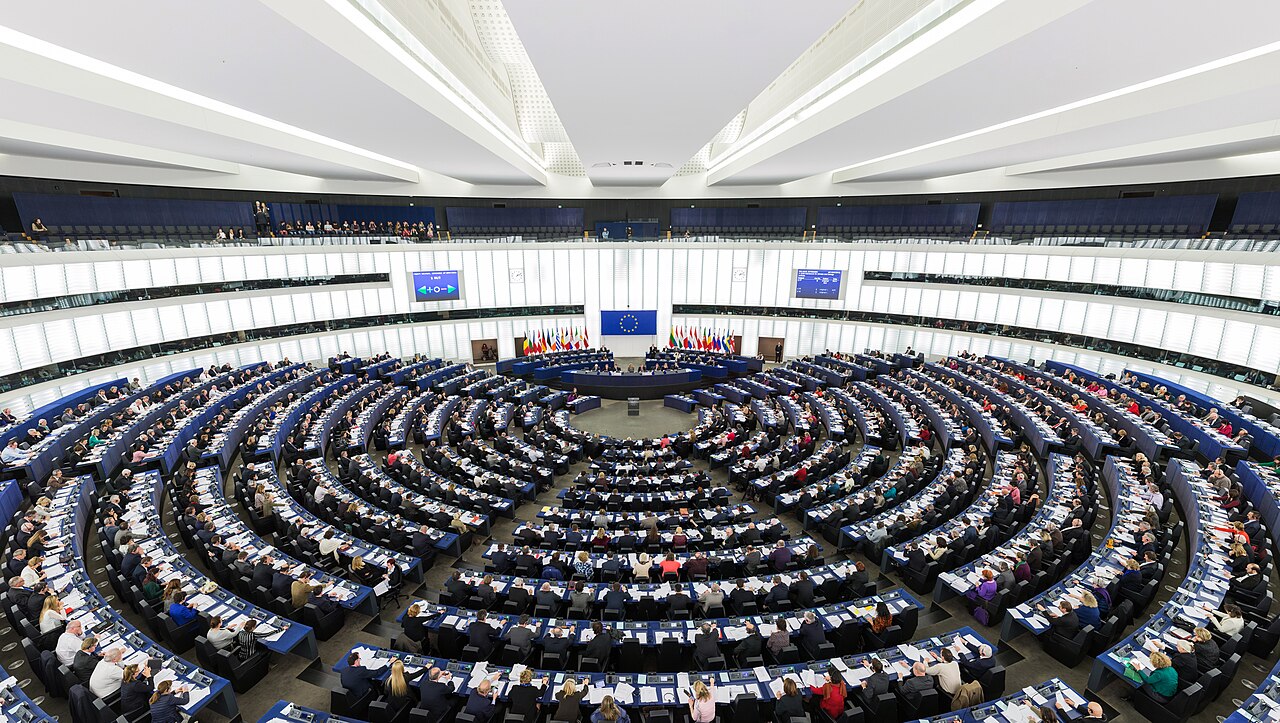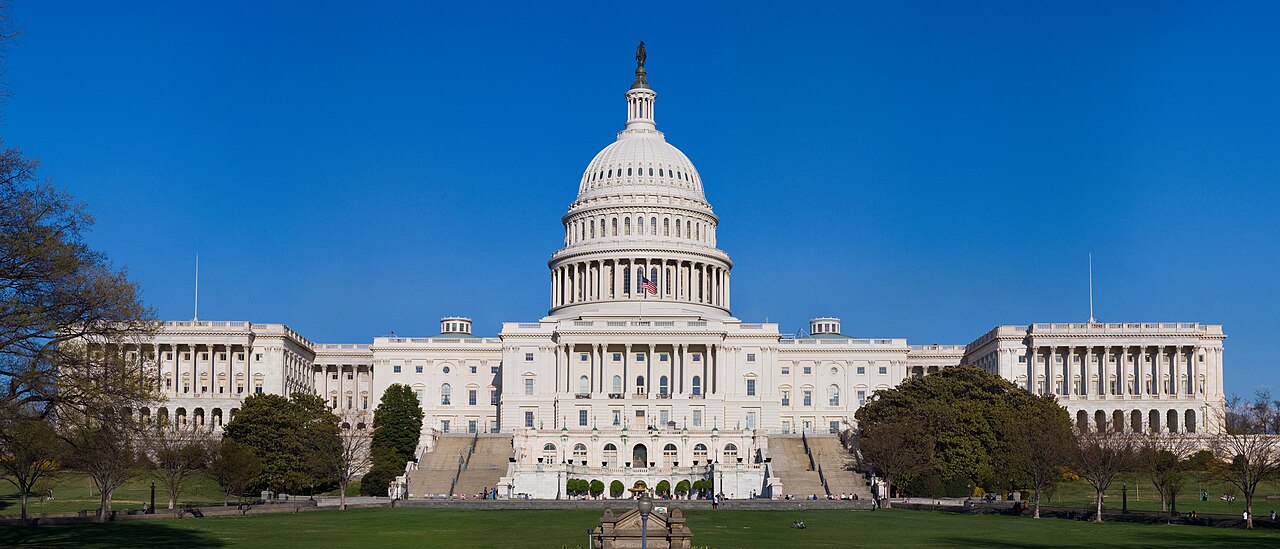
Not long ago, a Democratic win in the United States would have brought cheers in Brussels. Today, as Americans vote in the midterm elections, the mood among EU diplomats is closer to a shrug with a shiver. The polls say a blue wave is coming. Europe's capitals are not sure it matters.
The first polls close in Indiana and Kentucky at midnight Central European Time. The last, in western Alaska, close at 07:00 CET on Wednesday, and final results could take days. Democrats are widely expected to flip the House. A New York Times/Siena poll has them leading in nearly all seven battleground Senate races, with at least a five-point lead in four, which puts the Senate in reach. Pollsters have been badly wrong before, though.
The vote is a referendum on a president whose Iran war has pushed up fuel prices and inflation. An FT poll found more than two-thirds of voters unhappy with his handling of the cost of living. US forces struck targets on Iran's Qeshm Island in the Strait of Hormuz overnight, on the eve of the vote. Trump himself has begun talking about becoming "Mr Veto" if Democrats take over Congress.
Diplomats give two reasons. First, even control of both chambers would give Democrats little leverage over a president who has launched wars and imposed tariffs without asking Congress. Second, they think a beaten Trump could be more dangerous for the transatlantic relationship, not less.
"What has been destroyed in the last few years will not be rebuilt just like that," one EU diplomat said. Two grievances run deep: the diesel deal Trump struck with Vladimir Putin, which many in Brussels read as proof he has abandoned Ukraine, and the humiliation of the Turnberry trade deal, whose wounds have not healed.
Opinions differ on what comes next. Max Bergmann of the CSIS think tank expects Europe's nerve to harden: "we're at the beginning of the end of Trump", he said, which could mean fewer compromises and less bowing. Conservative MEP Željana Zovko argues the opposite. A bigger clash with Washington, she warned, would push the Republican Party further against Europe and help anti-EU parties at home. "Somebody has to keep calm in this chaos," she said. "And that's Europe."
A president blocked at home often turns to foreign policy. The obvious candidate is Ukraine. Trump once promised to end the war in 24 hours, and a legacy-minded president could try again. Whether that means a firmer line on Russia or more concessions to Putin is unclear.
The first signs come this week. Steve Witkoff, Trump's special envoy, said US negotiators will be in Brussels to discuss security guarantees and "economic opportunities to support Ukraine's reconstruction" with France, Germany, the UK, the EU and NATO. US-led talks with Ukraine and Russia are set for Abu Dhabi on Tuesday and Wednesday next week.
The vote also matters for Europe's right. Trump's allies abroad have had a bad year. Viktor Orbán, who built his politics on a special relationship with Washington, was wiped out in a landslide at home. Brazil's Lula beat Trump-aligned Flávio Bolsonaro. In Serbia, Aleksandar Vučić was toppled by a student movement that wants to move closer to EU values.
France's Rassemblement National and Germany's AfD still lead in the polls. But part of their task is to persuade voters they are a safe pair of hands, and hugging an erratic, unpopular American president makes that harder.
Democrats may not be the allies Europe is hoping for. Even Joe Biden, who backed Ukraine and the alliance, signed the Inflation Reduction Act, a protectionist law that upset European capitals. A Democratic Congress will probably slow Trump at the margins; it will not rebuild trust. Watch three things: whether the Abu Dhabi talks go ahead on schedule, whether US negotiators in Brussels bring anything concrete on security guarantees, and whether the Democratic party starts to say what its foreign policy actually is. That last question is one Europe has barely begun to ask.