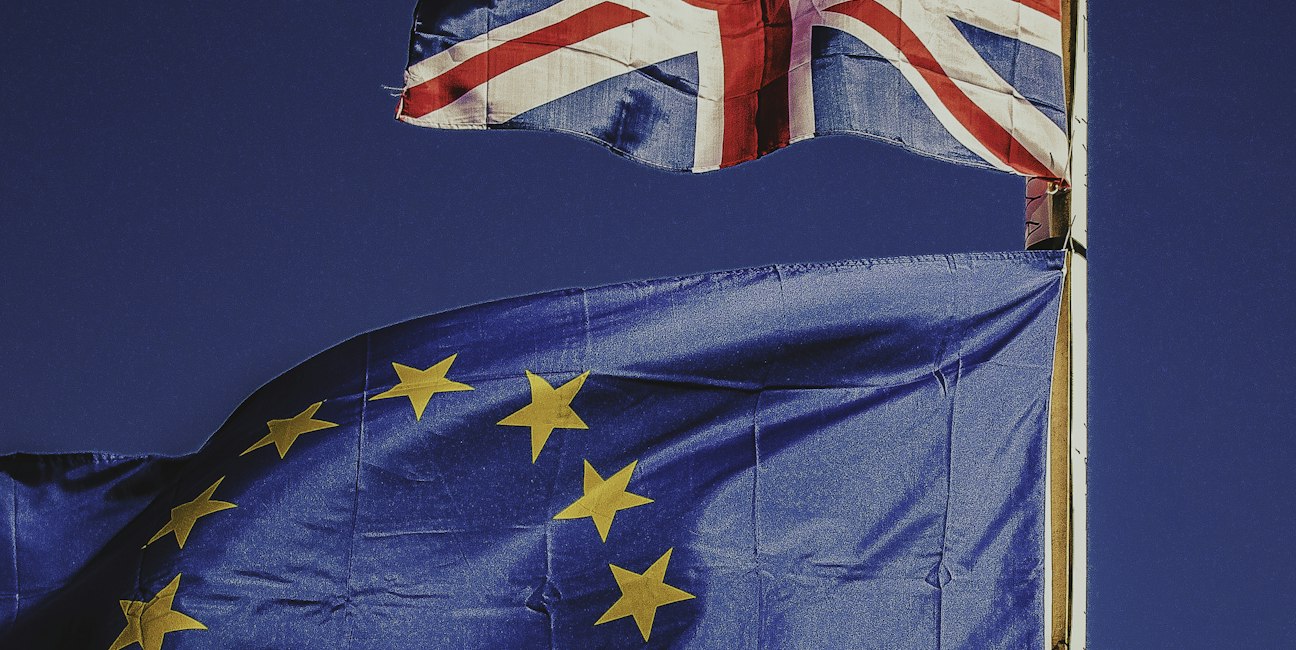
Britain wants a closer relationship with Europe. Europe wants Britain's money. Friday's EU-UK summit in Brussels, where António Costa and Ursula von der Leyen host Prime Minister Andy Burnham, will show how far those two goals can be traded against each other.
Both sides are managing expectations. This is the second summit since the 2025 reset in London, and the first for Burnham, who took office in July. He has called Brexit a mistake that did more harm than good and floated options for Britain's long-term relationship with the EU, rejoining included. This week he pushed back plans to set those options out.
A draft summit statement points to a youth experience scheme letting 18-to-34-year-olds live, work, study or travel in each other's territory for up to three years. Britain would rejoin the Erasmus+ student exchange programme in 2027. The draft also points to easier agrifood trade and to linking the two sides' emissions trading systems.
Two sticking points remain. The first is tuition fees. EU students in Britain now pay international rates, typically around three times what domestic students pay. The draft commits both sides to "equal treatment" and gives negotiators six months to finish, which would cut fees for Europeans without necessarily bringing them down to home rates. The second is numbers: the two sides still disagree on whether, and how tightly, to cap how many young people can use the mobility scheme.
The more revealing shift is about money. London is pushing for access to the EU's internal electricity market, which could lower British power prices, currently the highest in the G7. Brussels now expects a financial contribution in return, the same pay-to-play logic EU capitals have applied to British access to EU defence loans.
The timing is not accidental. Costa is due to table his first negotiating compromise on the EU's 2028-2034 budget on 21 November, the day after the summit. Net payers want to trim national contributions, and poorer regions fear cuts to cohesion funding. A steady British contribution would ease both pressures. Czech Prime Minister Andrej Babiš put it bluntly when asked whether Britain should rejoin: "Of course, we need more money."
Not everyone in London accepts the logic. David Frost, Britain's former Brexit negotiator, questioned why a mutually beneficial electricity link should come with a bill: "What is the justification for asking for a financial contribution from the UK too, one wonders."
The mood music has improved. Speaking at the Commission's enlargement forum in Brussels on Monday, Finnish President Alexander Stubb said Europe must "get out of the mindset that Britain needs to be punished for leaving the EU." That reflects a wider view among capitals that, with Russia's war grinding on and Washington less dependable, a closer UK is a security asset. It also overlaps with Britain's seat on the European team for any future Ukraine talks.
But no punishment does not mean free access. Britain is also pressing to be treated as a trusted partner under the EU's "Made in Europe" local content rules, which matter for its car industry. That request may be one reason the fee talks are being kept open.
The EU-UK relationship is becoming transactional in a precise sense: access in exchange for cash. For Brussels, Britain is a potential new revenue line at the exact moment the budget fight peaks. For Burnham, every deal on energy, youth or students has a price tag he must defend at home. Friday will probably deliver the youth scheme and Erasmus+. The bigger test is whether the electricity and fees files close on terms both sides can sell, and how much of Britain's money ends up written into Europe's next seven-year budget.