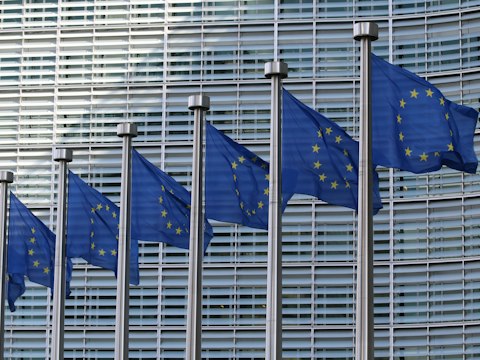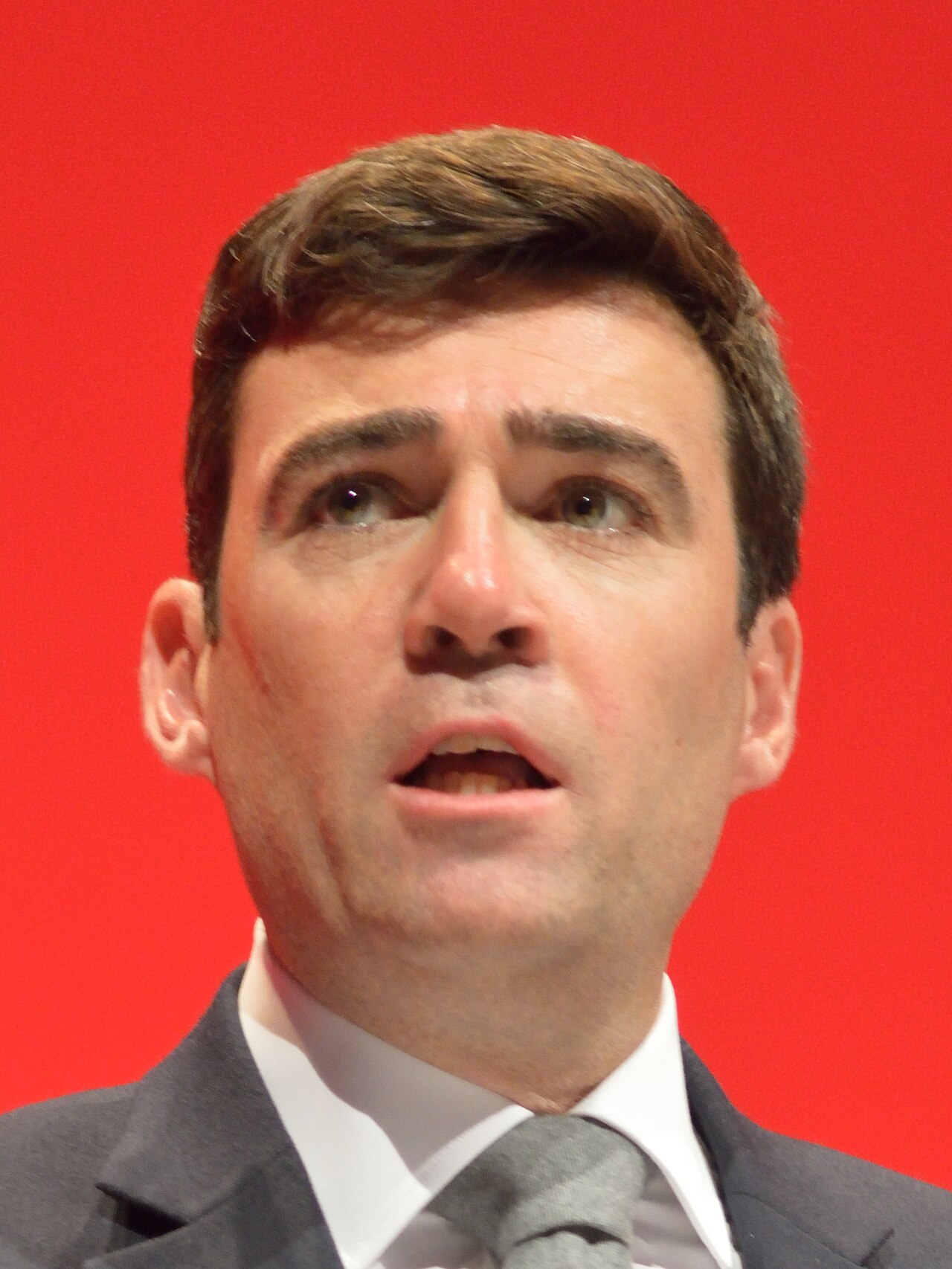
The reset almost came unstuck on the eve of the summit. EU ambassadors only finalised the bloc's position late on Thursday after a row over how much say Britain would get in shaping future EU food rules. France wanted to keep London at arm's length. In the end Paris softened, and the UK is expected to win rights to be consulted on relevant EU laws. British officials will be allowed into the technical committees that draft food and drink rules as observers, without a vote.
Downing Street said talks were going down to the wire, and Andy Burnham kept his options open in public. Asked whether he would walk away, he said: "There would always be those circumstances because I'm in this to get the best deal for Britain, always." EU capitals had until 10am today to object to the final texts.
The package has been months in the making and owes more to the previous government than to Burnham. Its core is a sanitary and phytosanitary agreement that removes most of the checks and paperwork that made post-Brexit agri-food trade uneconomic. Alongside it come a link between the UK and EU emissions trading systems, which should ease future electricity trading, and a youth experience scheme. Reports say the UK has accepted around 100,000 visas a year for young Europeans and raised the age limit from 30 to 31.
The catch is in a joint Council and Commission statement drafted overnight. It says the carbon-market link, the food deal and the youth scheme "will not precede the conclusion of the negotiations" on tuition fees. Brussels wants EU students to pay the same as British students, and expects that deal within six months. In other words, Britain gets the reset only once it pays the bill.
The food deal is a bigger break with the 2020 Brexit settlement than the summit choreography suggests. Boris Johnson's deal rejected automatic alignment with evolving EU law and ECJ jurisdiction everywhere except Northern Ireland. The SPS agreement reverses that, in a narrow field, for the whole of the UK. Writing in the Financial Times, Martin Sandbu called it "a true crossing of the Rubicon": Britain formally becoming a rule-taker again.
Brussels has made its own concession by granting sector-by-sector access, the kind of cherry-picking it long refused. Michel Barnier, the EU's former Brexit negotiator, welcomed Burnham's approach, calling Brexit something that "was and remains a lose-lose game." Burnham has even hinted that Britain could one day consider rejoining.
Today's deal will be sold as cheaper food trade and more opportunities for young people, and it is both. Its deeper meaning is that the UK is choosing alignment over sovereignty where the economics demand it, and the EU is using that appetite to extract concessions, starting with fees. Two gaps remain. The UK still has no answer on the EU's "Made in Europe" preferences for industry, which threaten its car makers. And everything hinges on a fees deal not yet written. If that slips, so does the reset.