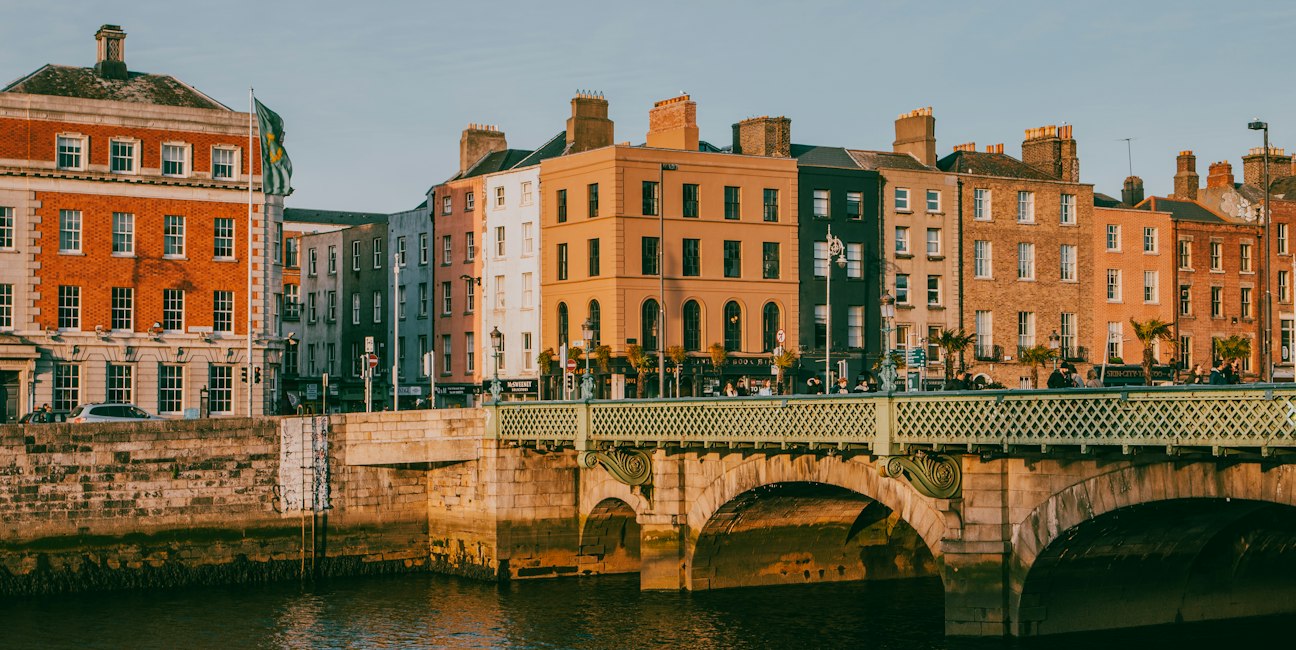
EU energy ministers gathered in Dublin this week for an informal council with poor numbers in front of them. Gas storage stood at about 70% in late September, roughly 12 percentage points below the same point in 2024. The Dutch TTF gas benchmark traded around €72 per megawatt-hour, some €40 above pre-crisis levels. Oil is above $100 a barrel.
The trigger is the Gulf. Qatar declared force majeure on its gas exports in March, and an Iranian strike on the Ras Laffan complex on 18 March damaged facilities that could take years to restore. There is still no sign of the Strait of Hormuz reopening.
Jørgensen wrote to ministers before the meeting. He said there were "no immediate risks to security of supply", but described storage as exceptionally low and urged "demand reduction". The measures are voluntary and, in his words, should be "well-targeted and temporary".
The letter suggests capping temperatures in public buildings, ending outdoor heating, switching off unnecessary public lighting at night, trimming electricity use at peak hours and rolling out smart meters. "Limiting temperatures in public buildings, preventing outdoor heating and switching off unnecessary public lighting at night could help reduce energy demand and ease pressure on gas-for-power demand," he wrote.
Brussels is also loosening its own rules. Countries are invited to fill storage to 80% rather than 90%, within a window running from 1 October to 1 December. Jørgensen has warned that falling far short could create a damaging cycle for the following winter. He has also moved to delay new methane rules on imported oil and gas by a year, a change the United States had lobbied for and that he says protects supply.
There will be no bloc-wide windfall tax. Countries can pursue national schemes within EU guidelines. That matters because fiscal space is uneven. Finland's energy minister, Sari Multala, said that with more financial room "we would consider [intervening] in prices". Finland is one of several member states in an excessive deficit procedure.
Many governments have already cut fuel taxes, which props up diesel demand. About 20% of strategic oil stocks have been released, leaving roughly 80% in reserve. International Energy Agency chief Fatih Birol addressed the ministers. The agency's own menu of savings ranges from working from home to cutting motorway speed limits by at least 10 km/h.
The wider risk is diesel. US President Donald Trump has threatened to cut off American diesel exports, though EU officials are increasingly confident he will not. The stakes are social as well as economic: nearly 50 million Europeans already struggle to heat their homes adequately in a normal winter.
This is winter planning by request. Voluntary savings, a lower storage target and no bloc-wide price tools leave the cost with national governments, and those already under fiscal pressure have the least to spend. Asking is cheap while supply holds. The real question for Brussels is whether it needs binding measures if a cold snap arrives before storage recovers.