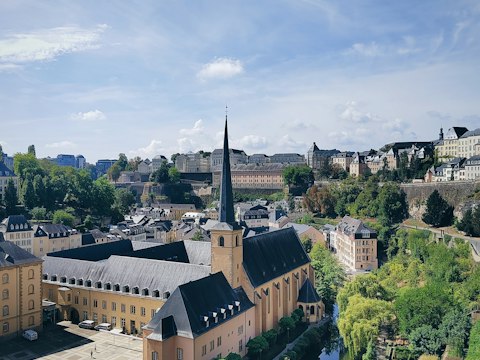
Europe's energy ministers gathered in Luxembourg on Wednesday with one job: work out what to do about the latest energy crisis. They left without a deal. What they did leave with is a clearer picture of how divided capitals are on the three questions that matter this winter: who pays for gas, how to price it against electricity, and whether Russian supply can ever come back.
The sharpest fight was over a Commission proposal on network charges and energy taxation, known by its article number, 18c. In practice it would make gas more expensive relative to electricity, to push households and industry towards electrification. Thirteen countries want it dropped: Germany, Italy, Malta, Czechia, Bulgaria, Slovakia, Finland, Romania, Croatia, Poland, Latvia, Estonia and Hungary. Spain, Denmark and Luxembourg back the idea, with some flexibility.
Italy's energy minister, Gilberto Pichetto Fratin, said outright that he wants the article deleted. Jørgensen stood by the legal basis and made the social case instead. Around 50 million Europeans cannot heat their homes adequately, he said, and the answer cannot be to leave them reliant on the most volatile fuel. No decision was taken. The Irish presidency of the Council is targeting a compromise in December.
The meeting also put a spotlight on a separate Italian deal with the Commission. Rome has agreed a cap of €58 per megawatt-hour on the gas used to generate power, when wholesale prices are above €96. Italian users would pay for the difference through a levy. Spain and Portugal ran a similar scheme in 2022, the so-called Iberian exception.
Eurelectric, the power industry body, has written to ministers to say the model does not work in a tightly connected market. Its argument is geographic. Spain's grid is only about 3% interconnected with its neighbours, which kept the effect contained. Italy's is around 5%, and the risk is that a capped Italian price pulls gas and power flows across borders and distorts markets next door. Other capitals will be watching to see if Brussels lets this stand.
The prices have revived a question many in Brussels hoped was closed: could Europe go back to Russian gas? A legal ban on Russian LNG enters into force on 1 January 2027, with pipeline gas to follow later in 2027. Asked whether the crunch would change that, Jørgensen was brief. "The ban stands," he said after the meeting.
Not everyone agrees on how firmly. Slovakia's foreign minister visited Moscow earlier in the week to discuss his country's gas contract, which runs to 2034. Lithuania's energy minister, Lukas Savickas, took the opposite line. Whatever reliance remains in different countries on Russian energy, he told reporters, it is always the same political price of dependency which eventually has to be paid.
The ministers did not fail so much as postpone. Every open question on the table is about money: who foots the bill for expensive gas, whether consumers or the state absorb it, and how much the climate goal of moving off gas can cost in the meantime. With 13 capitals against the network-charges plan, the Commission will have to cut it back or fight a losing vote. The Russian LNG ban looks safer, because it is already law. But the higher prices climb, the louder the push will be for exceptions, and the Slovak contract is where that pressure will show first. Watch December: that is when the presidency promises a compromise and when winter gas demand starts to bite.