The European Central Bank has done something it has not done in nearly three years: it raised interest rates. On Thursday, the Governing Council lifted its key rate by a quarter-point to 2.25%, the first increase since September 2023 and a sharp reversal of the long easing cycle that followed the last inflation crisis.
The reason sits about 4,000 kilometres from Frankfurt, in the Strait of Hormuz.
Since late February, when US and Israeli strikes on Iran began, the strait that carries roughly a fifth of the world's oil has been effectively choked off. Tehran has turned the chokepoint into a toll booth, reportedly demanding as much as $2 million from vessels seeking passage. A two-month ceasefire collapsed on Sunday when Iran fired missiles at Israel, and Washington has since resumed strikes and floated seizing Kharg Island, the terminal that handles most of Iran's crude exports.
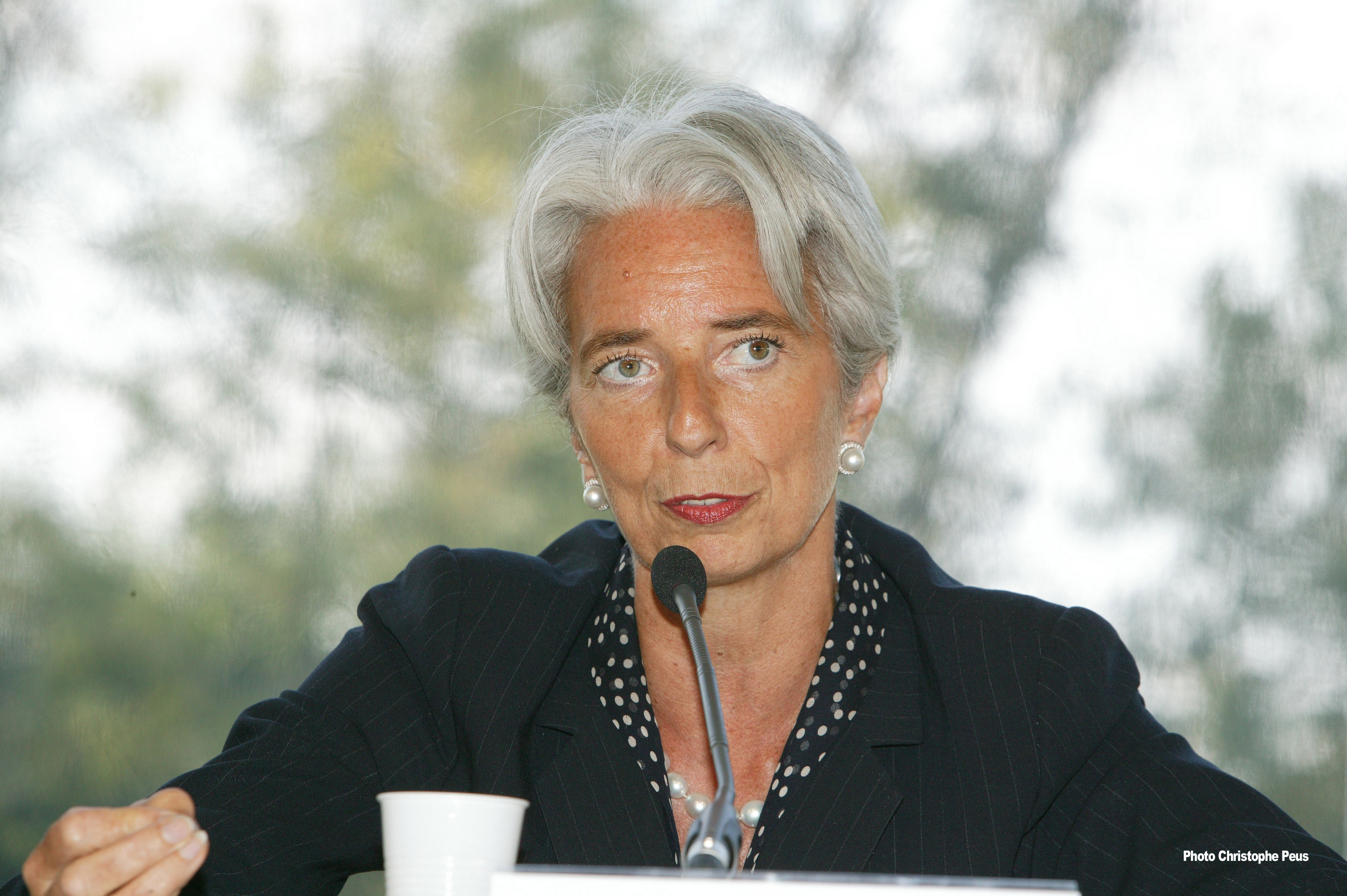
The result is an old-fashioned energy price shock — and a central banker's nightmare. ECB President Christine Lagarde warned that war-driven inflation is no longer confined to energy markets and may prove stubborn even if Washington and Tehran eventually strike a deal. The bank now expects eurozone inflation to average 3% this year, well above its 2% target, before easing to 2.3% in 2027 and back to target by 2028.
What makes this hike painful is what the ECB did at the same time: it cut its growth forecast. The eurozone economy is now expected to expand just 0.8% this year, with the bank pencilling in 1.2% for 2027 and 1.5% for 2028. Rising prices and a slowing economy at once — the textbook definition of stagflation — leave a central bank with no comfortable options. Raise rates to fight inflation and you choke growth; hold steady and you let prices run.
Lagarde chose to fight inflation, signalling the ECB sees entrenched price pressure as the bigger threat. Markets are now asking whether Thursday's move is a one-off or the start of a series.
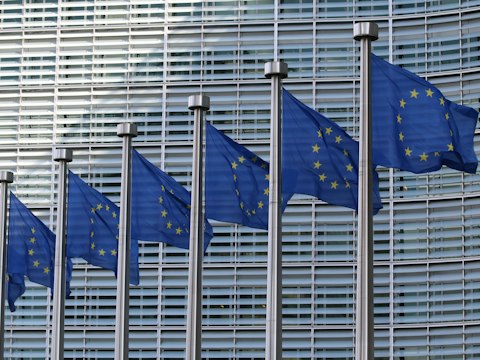
For European households and businesses, the hike means borrowing gets more expensive at the exact moment energy bills are climbing again. For the EU as a whole, it is another reminder of how little control Brussels has over its own economic fate. The bloc stayed out of the fighting in the Middle East, yet the war is still driving up its inflation, denting its growth and forcing its central bank to tighten — even as governments are trying to spend more on defence. Europe is paying the bill for a war it isn't fighting, and the ECB just raised the price of money to prove it.