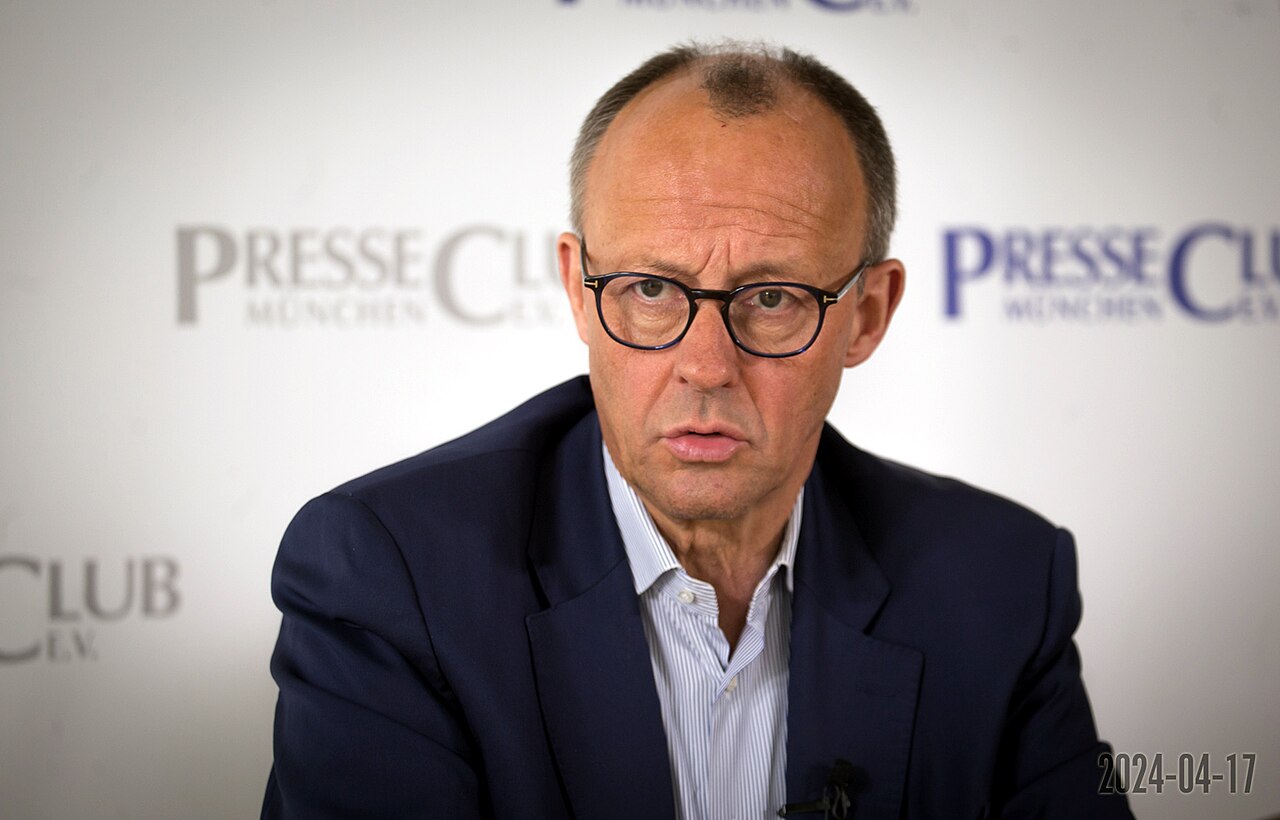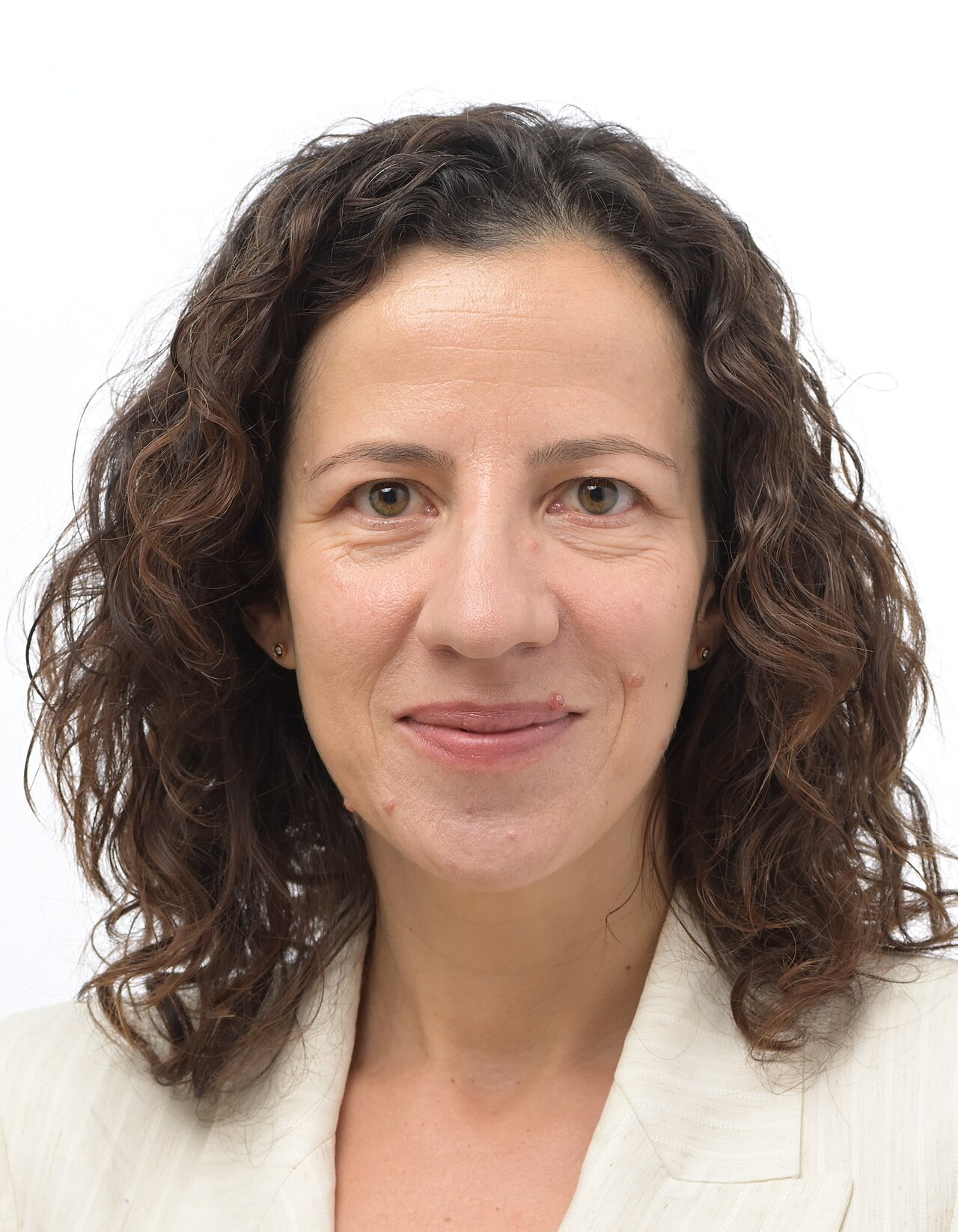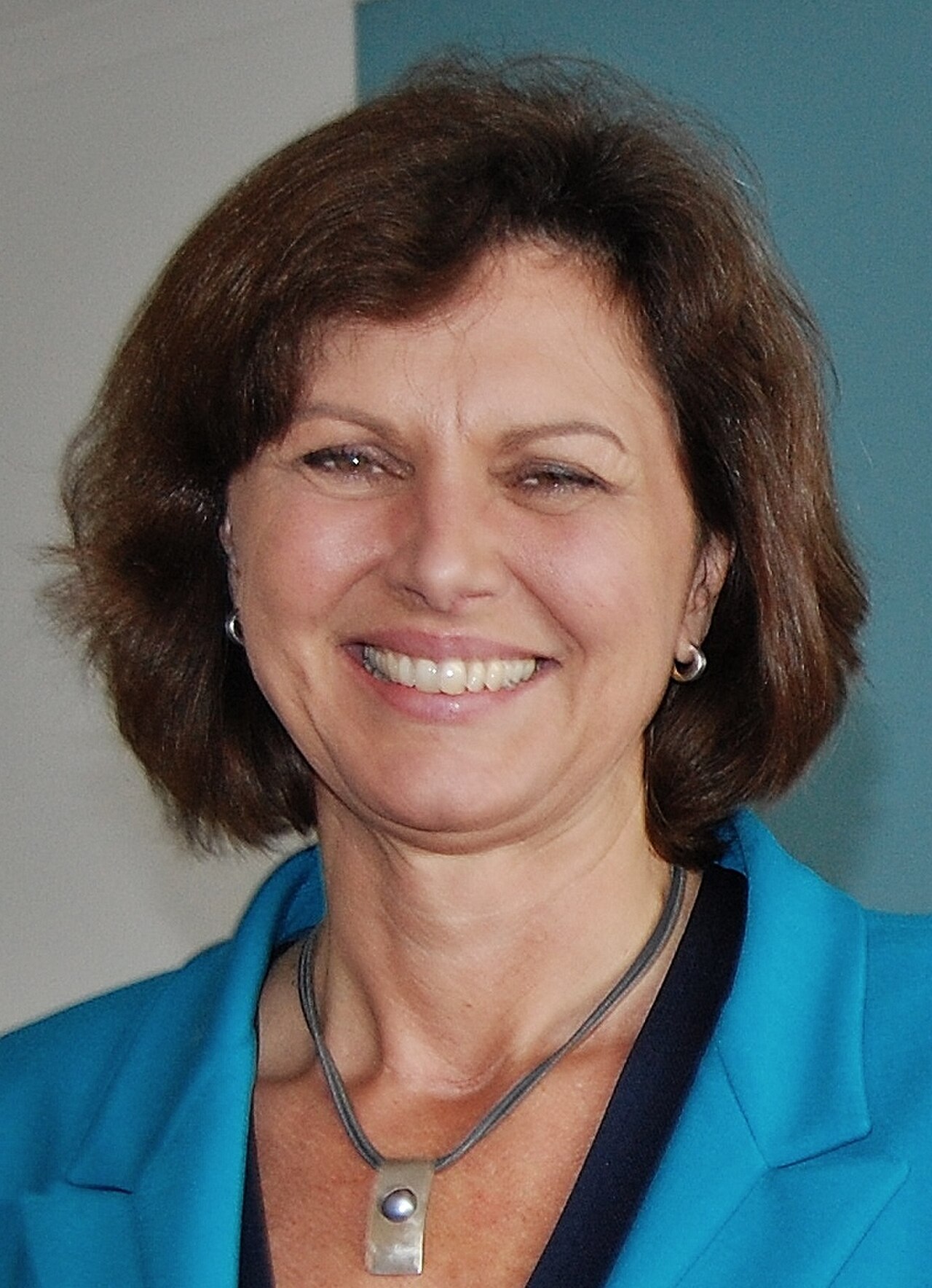
Friedrich Merz has run out of ways to keep this quiet. On Friday, Bild, Der Spiegel and the Süddeutsche Zeitung all reported that the CDU wants Ilse Aigner of the Bavarian CSU to succeed Frank-Walter Steinmeier as Germany's head of state. The chancellor has not said so himself. His office points to the party bodies that meet on Monday.
That is a formality now. Aigner, 61, is president of the Bavarian state parliament and a former federal agriculture minister. The CDU's parliamentary group leader, Thorsten Frei, called her an "outstanding choice" and said he expects a joint CDU-CSU proposal within days. Markus Söder, the CSU leader, has pushed her name for weeks, including at his party congress in late October.
The CDU had other names. Ines Claus, who leads the party's group in the Hessian state parliament, was mentioned early on. Merz said he wanted a woman from the political centre who could win a broad majority in the first ballot. On 2 November he had told an internal circle that the Union would propose a woman.
Then the CDU's own regions moved. The prime ministers of Saxony, Thuringia and Saxony-Anhalt, Michael Kretschmer, Mario Voigt and Sven Schulze, backed Aigner, as did several CDU state chairs and the Frauen Union group in the Bundestag. That left Merz little room to offer anyone else.
Support reaches beyond the Union. Dietmar Woidke, the Social Democratic premier of Brandenburg, called her "the perfect candidate". Cem Özdemir, the Green premier of Baden-Württemberg, said she is suited to the office. Both parties' consent matters, because the coalition wants a name it can propose jointly.
The CDU's leadership committee and national executive meet Monday. Talks with the Social Democrats and Greens follow. The Federal Convention, 1,260 members drawn half from the Bundestag and half from the state parliaments, meets in Berlin on 30 January 2027. The first two ballots need an absolute majority of the convention's members. After that, a plurality is enough. Steinmeier's second term ends on 18 March 2027, and the constitution bars a third.
This is a rare piece of consensus in a coalition that has had little of it. A candidate backed by the CSU, the eastern CDU and the SPD removes a possible fight over the country's highest office. It also gives Berlin a symbolic first: a woman at the top of a republic that has had twelve male presidents.
The office has no executive power, but it carries moral weight, and the next president will speak for Germany during a stretch of European strain over the EU budget, Ukraine and the transatlantic relationship. Merz's own authority is the open question. A choice seen as forced on him by Munich and the eastern premiers will be read in Brussels and Paris as a sign of how much room the chancellor has inside his own camp.