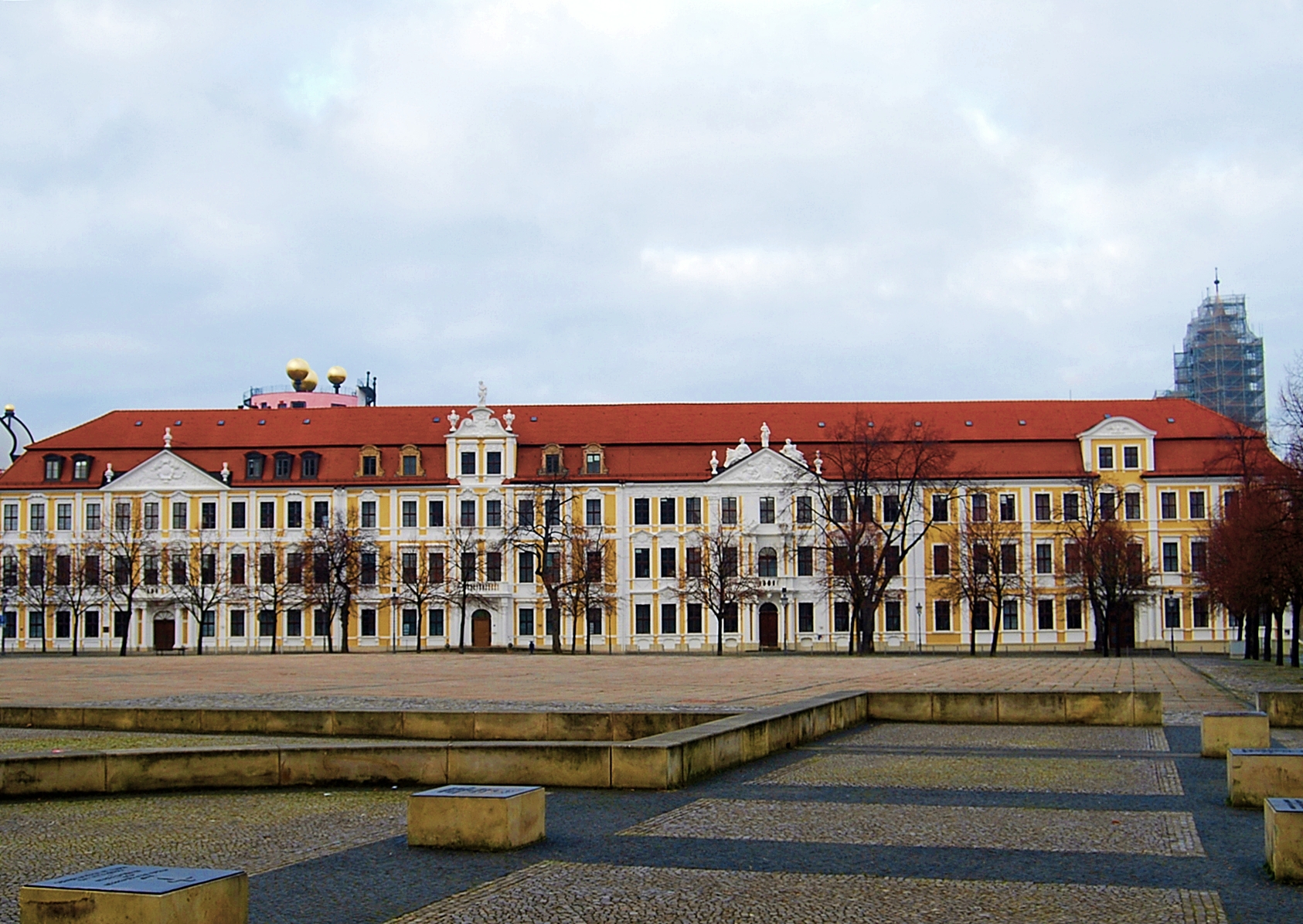
The AfD now holds the speaker's chair in a German state parliament. On Tuesday, the Saxony-Anhalt Landtag in Magdeburg elected Tobias Rausch as its president. He comes from a party that Germany's domestic intelligence service classes as right-wing extremist. Nothing like it has happened in Germany since the end of the Second World War.
The AfD won about 44% in the recent state election and fell just short of an absolute majority. It is now the largest force in the chamber by a distance. Rausch got the votes of his own group and of the BSW. He also got four more votes than the two groups hold between them.
That points to the CDU. Its 15 lawmakers had agreed to abstain, yet only five did. The party leadership in Berlin and in Magdeburg set the line, and about two-thirds of its lawmakers did not follow it. The ballot was secret, so nobody knows who voted how, and the CDU and the BSW both deny backing the AfD's candidate for vice-president, Hans-Thomas Tillschneider, a party ideologue who also won a post.
Rausch kept it calm. In his short opening speech he talked about democracy, parliament and the mandate of lawmakers, in terms that most members could sign. The comparisons to Hermann Göring that circulated before the vote, German commentators noted, misread the party. But they also noted that the AfD's wider aim has not changed. It wants to organise the chamber's work so that it gets in practice what voters denied it on paper: control.
Outside, hundreds of people protested. SPD lawmakers staged a march of their own, with defence minister Boris Pistorius making a speech. The Greens' parliamentary leader said a line had been crossed. An SPD interior minister, Georg Maier, used the moment to push for a formal check on banning the AfD.
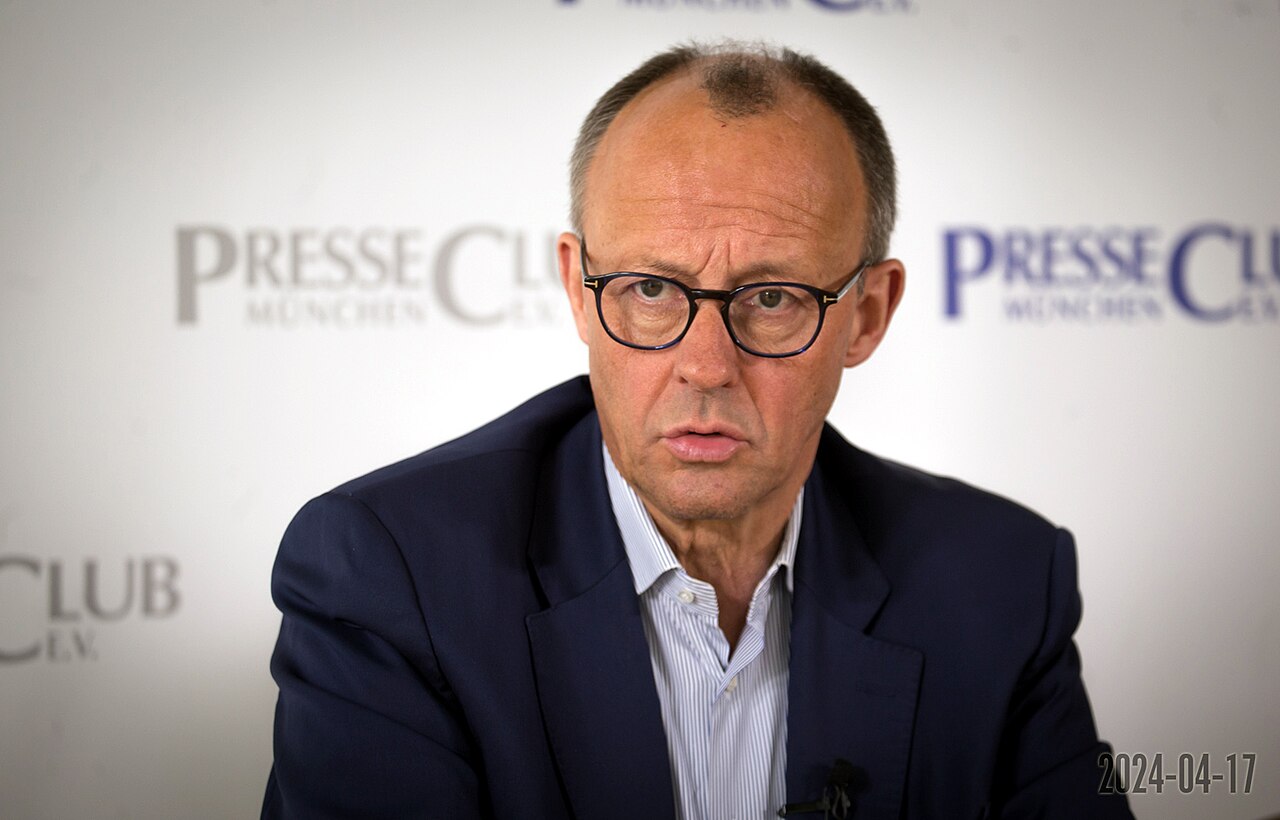
The firewall has not fallen, but it has leaked, and a secret ballot makes it hard to tell where. The next vote is more consequential: the election of the state premier. If CDU lawmakers broke ranks on a ceremonial post, the question is what they will do when real power is on the table. For Friedrich Merz, whose authority as party chief is being tested, the problem is no longer a distant state. It is a precedent. Other eastern states with AfD pluralities will be watching how the CDU answers in Magdeburg.